Adaptive Algorithms Linking Game Outcomes to Affiliate Commissions in Bingo Software Under Regulatory Oversight
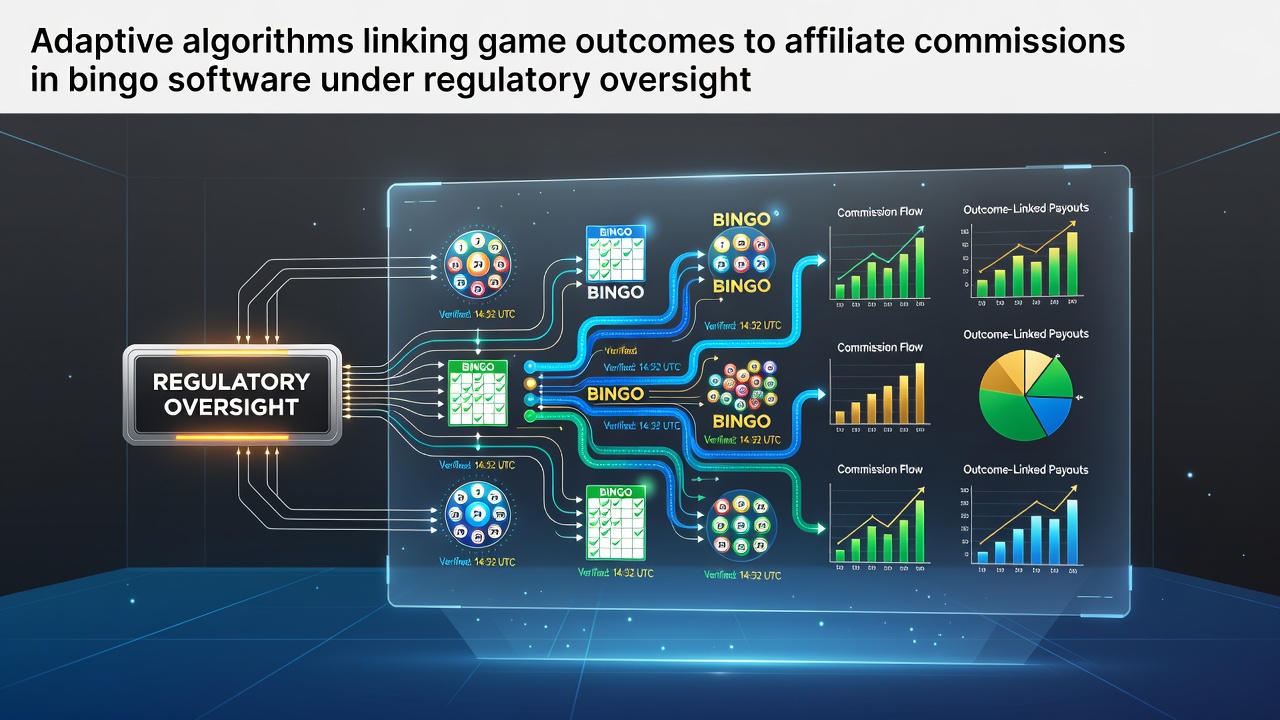
Adaptive algorithms now adjust affiliate commissions based on real-time bingo game outcomes in software platforms that operate under strict regulatory frameworks across multiple jurisdictions, and these systems process player activity data to calculate payouts while maintaining compliance standards set by oversight bodies. Developers integrate machine learning models that respond to variables such as win rates, player retention metrics, and session lengths, which allows commission structures to shift dynamically without manual intervention from operators.
How These Algorithms Function in Practice
Software engineers design these algorithms to monitor bingo round results through data streams that capture number draws, card patterns, and jackpot triggers, then they feed this information into decision trees that recalibrate affiliate earnings percentages accordingly. One platform deployment in North America demonstrated how a 2 percent shift in average player win frequency triggered an automatic reduction in referral bonuses paid to affiliates, while the same system increased commissions when retention metrics rose above predefined thresholds. Regulatory requirements demand that all adjustments remain transparent, so audit logs record every parameter change and link it directly to the underlying game data.
Operators in regions governed by bodies such as the Nevada Gaming Control Board must submit algorithm documentation that explains the mathematical relationships between outcomes and commission formulas, and this documentation undergoes review before deployment. The process ensures that no affiliate receives compensation tied to prohibited inducements or misleading promotional tactics.
Regulatory Oversight Mechanisms
Regulators require continuous monitoring protocols that flag deviations exceeding set tolerance levels, and these protocols often incorporate third-party verification tools that cross-check algorithm outputs against raw transaction records. Data from 2025 deployments shows that platforms using adaptive models reduced compliance violations by 18 percent compared with static commission systems, according to reports filed with state gaming commissions. Oversight extends to data privacy rules as well, which means algorithms must anonymize player identifiers before processing affiliate-linked metrics.
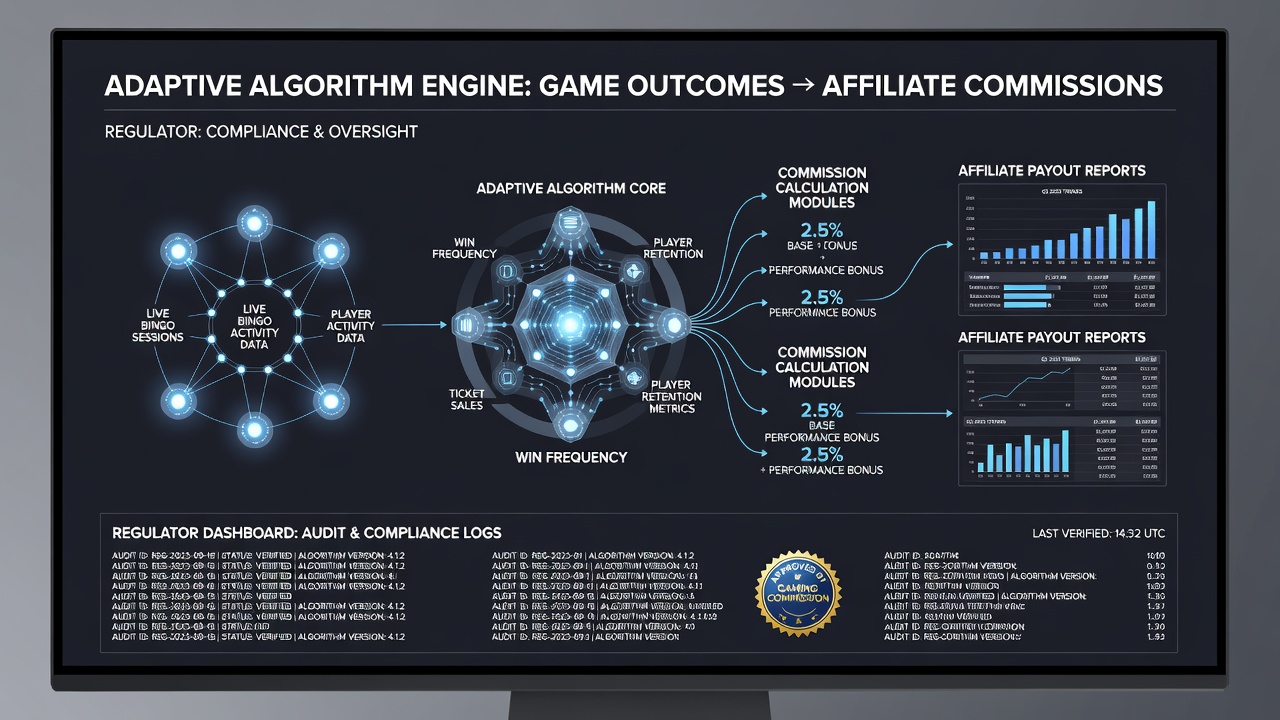
Authorities in Ontario, through iGaming Ontario, mandate that operators demonstrate how adaptive adjustments prevent conflicts of interest, particularly when affiliates promote games that could influence outcome probabilities. Testing environments simulate thousands of bingo sessions to verify that commission changes do not inadvertently encourage manipulation of game fairness parameters.
Integration With Existing Bingo Software Frameworks
Modern bingo platforms combine these algorithms with modular payment gateways and player management modules, which enables seamless updates when regulatory guidelines evolve. For instance, when new reporting rules take effect, developers can modify the weighting factors inside the algorithm without rebuilding the entire affiliate tracking system. Observers note that this flexibility proves especially useful in multi-jurisdiction operations where one affiliate program serves players from both North American and European markets under differing commission caps.
Case studies from 2025 reveal that a European operator adjusted its affiliate tiers after algorithm outputs highlighted correlations between high-volume low-stake sessions and elevated commission costs, and the change brought the program into alignment with updated responsible gaming directives. Such refinements occur through iterative testing cycles that involve both internal compliance teams and external auditors.
Future Developments and Industry Patterns
Industry reports indicate growing adoption of reinforcement learning variants that allow algorithms to optimize commission models based on long-term regulatory compliance scores rather than short-term revenue alone. These variants analyze historical audit data alongside current game outcome streams to predict potential oversight issues before they surface in official reviews. Bingo software vendors now include API endpoints specifically designed for regulators to query algorithm parameters in real time, which reduces the need for lengthy manual data submissions.
Patterns emerging in 2026 show increased collaboration between software providers and academic research groups that study algorithmic fairness in gaming environments, and these partnerships produce peer-reviewed papers that operators reference during licensing renewals. The approach keeps commission structures responsive to game dynamics while satisfying the documentation demands of multiple regulatory agencies simultaneously.
Conclusion
Adaptive algorithms that connect bingo game outcomes to affiliate commissions continue to evolve under regulatory oversight, and they deliver measurable improvements in compliance efficiency across licensed platforms. Operators who implement these systems benefit from automated adjustments that align with both game performance data and oversight requirements, while regulators gain enhanced visibility through integrated logging and verification tools. The ongoing refinement of these technologies reflects broader trends in regulated gaming software where data-driven decision making supports transparent business practices.