Bingo's Backend Balancing Act: Modular Development Choices That Tie Player Tools, Payouts, and Oversight Together
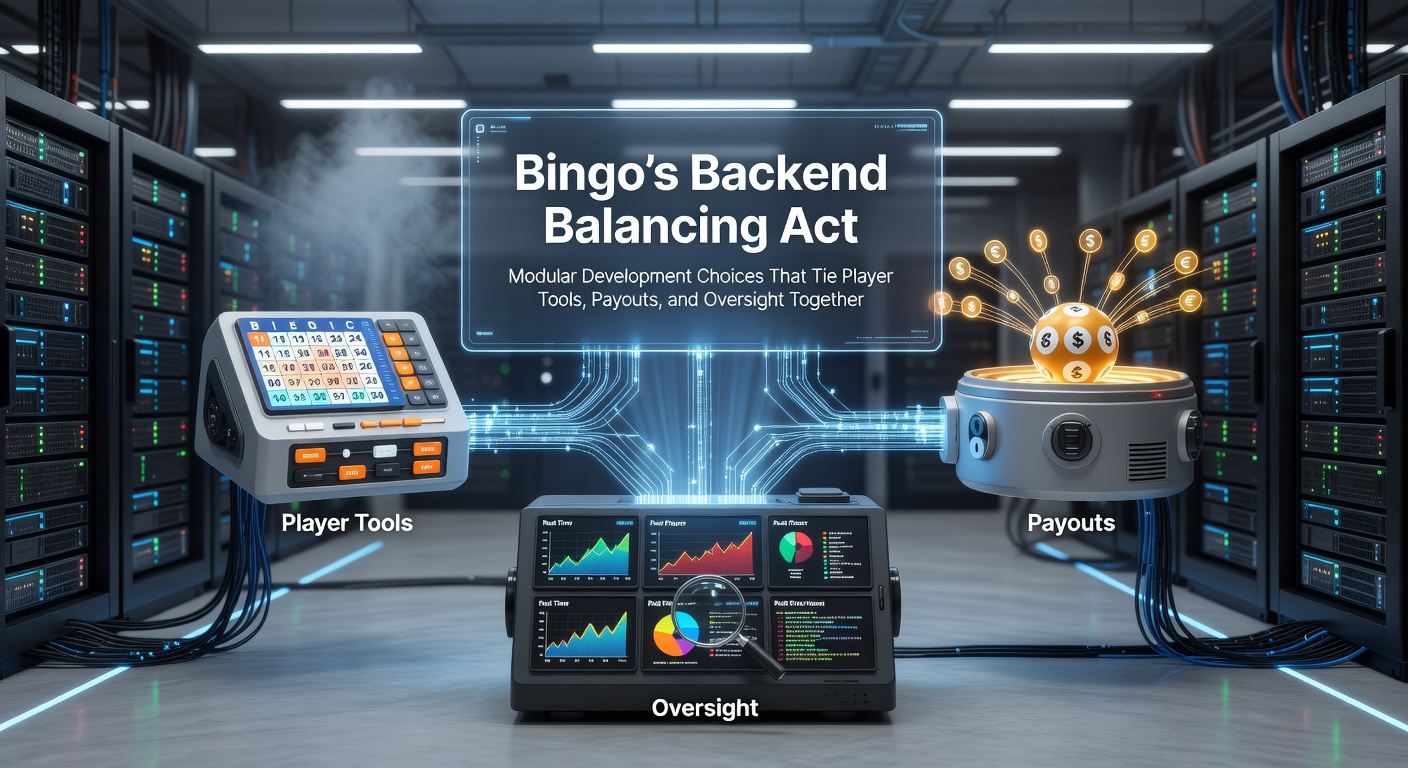
Developers building modern bingo platforms face constant pressure to keep systems flexible yet secure, especially as player bases expand across multiple jurisdictions, and operators demand faster updates without disrupting live games. Modular backend architecture addresses this by breaking core functions into independent yet connected components that handle everything from user interfaces to financial transactions and compliance checks.
Observers note that this approach gained traction around 2024 when several major operators began shifting away from monolithic codebases that slowed down feature rollouts. By May 2026 new compliance frameworks in select North American markets started requiring real-time reporting hooks that modular designs handle more efficiently than older integrated systems.
Core Principles Behind Modular Bingo Development
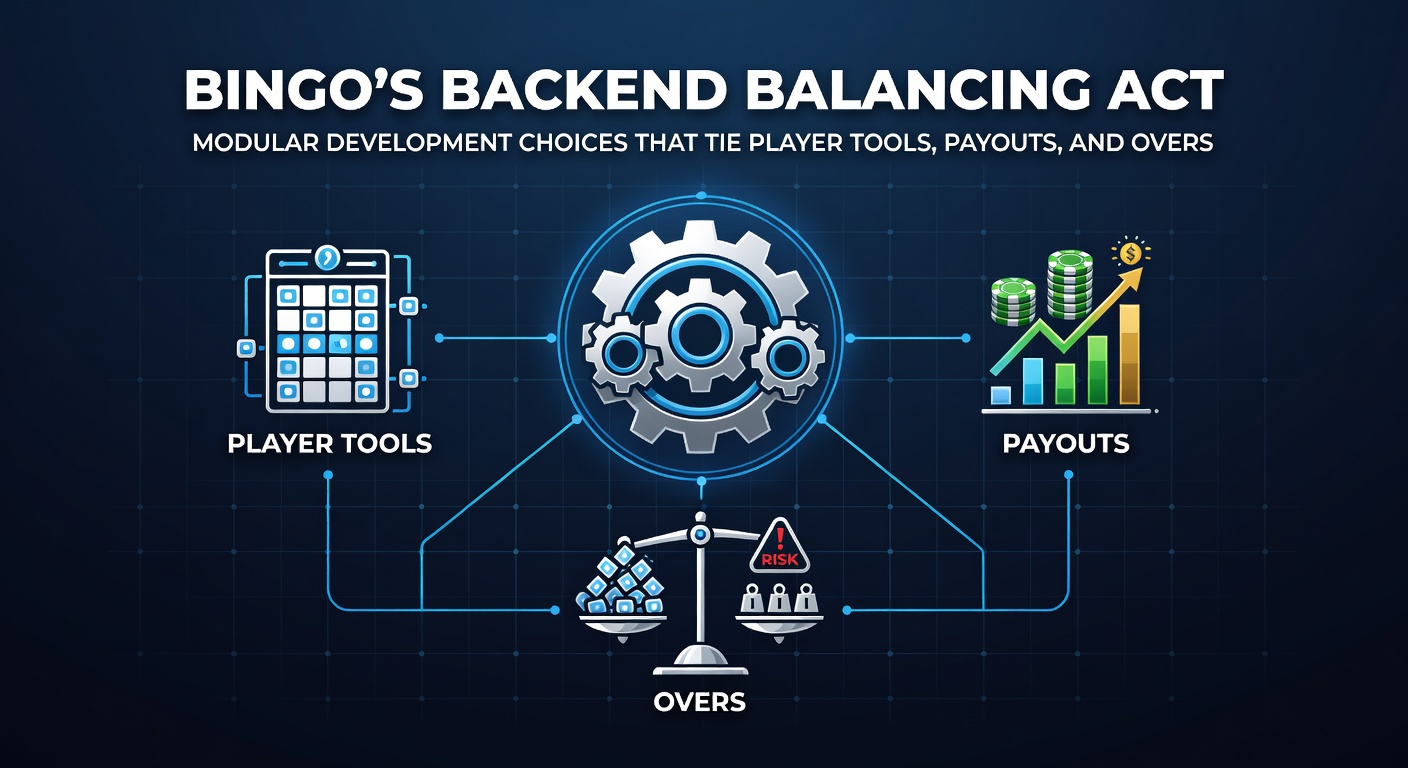
Teams separate player-facing tools, payout engines, and oversight layers into distinct modules that communicate through standardized APIs. This separation lets developers update one area without touching the others. For instance a new chat feature or loyalty dashboard can deploy independently while payout logic remains untouched. Research from industry reports shows that platforms using this structure reduce deployment times by up to 40 percent compared with legacy setups.
Experts point out that data flows between modules through secure middleware layers that maintain audit trails automatically. Each component logs its own activities which oversight teams can query without accessing the entire system. Such granular visibility proves essential when regulators request specific transaction details or session records during routine reviews.
Connecting Player Tools Without Creating Friction
Player tools cover everything from ticket selection interfaces and chat functions to personalized promotions and account management dashboards. In modular setups these elements sit in their own layer that pulls real-time data from backend services. Developers can swap out a mobile-optimized bingo room layout or add augmented reality overlays without altering the underlying game engine or financial processors.
One case involved a European operator that introduced voice-activated number marking in early 2026. Because the feature lived inside a dedicated module the change rolled out across web and app versions within weeks rather than months. Players experienced smoother sessions while backend teams monitored performance metrics through isolated dashboards that did not interfere with payout calculations.
Precision in Payout Handling Through Dedicated Modules
Payout systems demand exact calculations across multiple prize tiers and progressive jackpots that accumulate from pooled player contributions. A standalone payout module manages these computations while verifying available funds before releasing winnings. This isolation reduces errors that once occurred when payout logic shared code with game servers.
According to figures released by the Nevada Gaming Control Board operators using segmented payout architectures reported fewer reconciliation discrepancies during 2025 audits. The board noted that modular designs allow quicker adjustments when tax rates or prize caps change across different states or provinces. Teams can modify rules inside the payout module and test them against historical data sets before pushing updates live.
Oversight Layers That Scale With Regulatory Demands
Regulatory oversight requires continuous monitoring of player activity, responsible gaming flags, and transaction integrity. Modular oversight components plug into existing player and payout systems through read-only data streams that preserve privacy controls. Analysts can generate custom reports without requesting full database access from operators.
By May 2026 several Canadian provinces had updated their reporting portals to accept modular data feeds directly. Platforms that adopted these interfaces earlier found compliance submissions faster and less prone to formatting errors. Ontario Lottery and Gaming Corporation documentation highlights how standardized module outputs align with provincial audit requirements without forcing complete system overhauls.
Real-World Integration Patterns Observed in 2026
Operators often start by isolating the payout module first because financial accuracy carries the highest risk. Once that component stabilizes they add player tool modules that enhance engagement while feeding usage data back into oversight systems. This staged rollout minimizes downtime during peak playing hours and allows testing against live traffic volumes.
Teams working on multi-jurisdiction deployments rely on configuration files that activate or deactivate features based on local rules. A single codebase can serve players in regions with different age limits or prize structures simply by swapping module parameters rather than maintaining separate versions of the entire platform.
Conclusion
Modular development continues to reshape how bingo platforms manage the competing demands of engaging players, processing payouts accurately, and satisfying oversight requirements. Operators who adopt this architecture position themselves to respond quickly when new regulations emerge or player preferences shift. Data from multiple regulatory bodies indicates that the approach supports both operational efficiency and compliance reliability across expanding markets.