Charting Modular Game Engines and Their Role in Scaling Secure Bingo Networks
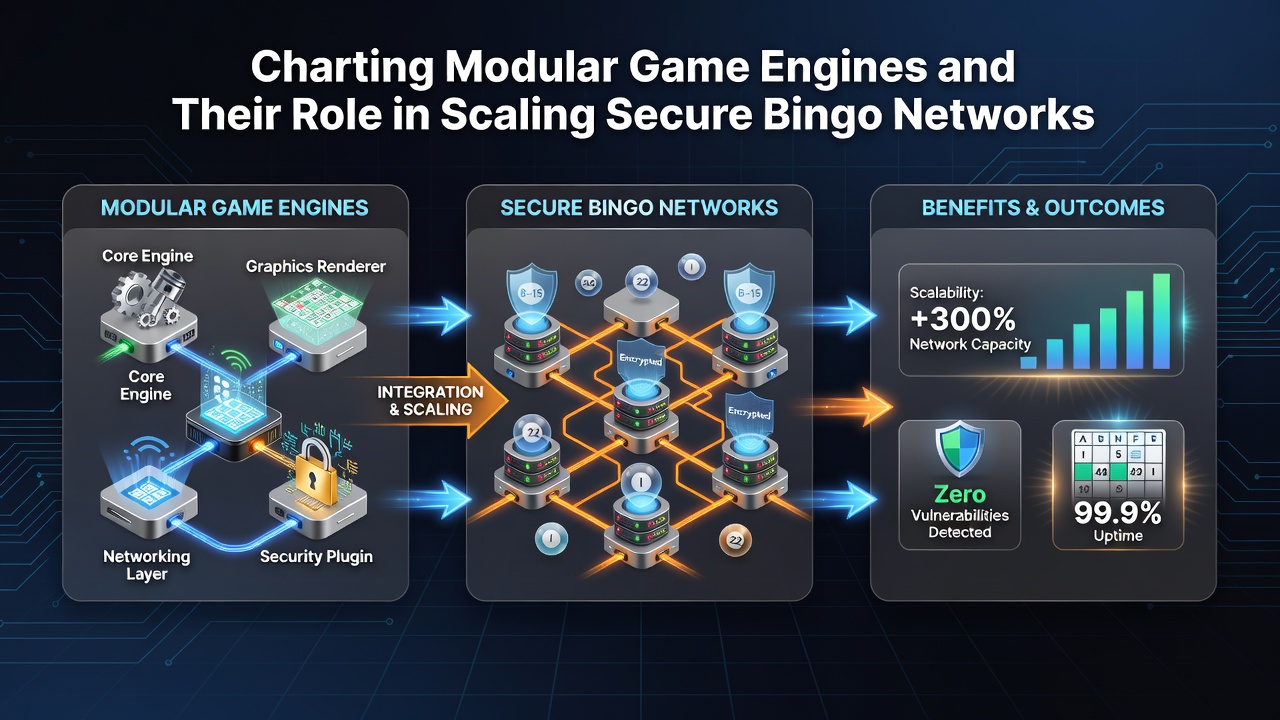
Modular game engines break complex bingo systems into interchangeable parts that handle everything from random number generation to player authentication and payout processing, and this separation lets operators expand networks without rebuilding entire platforms from scratch. Researchers discovered that such designs support rapid additions of new game variants or regional compliance rules while maintaining core stability across thousands of concurrent sessions.
Core Components in Modular Bingo Engines
Each module operates independently yet connects through standardized interfaces, so the random call generator stays isolated from payment ledgers and user interface layers remain separate from audit logging functions. Data indicates that this isolation reduces single-point failures because updates to one section, such as encryption protocols, do not require downtime across the whole network. Studies found that bingo operators who adopted modular structures in 2025 completed integration of new regulatory requirements in weeks rather than months.
Scaling Secure Networks Through Modular Design
Secure scaling depends on the ability to replicate modules across cloud instances or regional data centers while preserving consistent security standards. According to industry reports from the Canadian Gaming Association, networks using modular engines handled a 40 percent increase in active players during peak periods without compromising transaction verification times. Those who've studied deployment patterns note that containerized modules allow horizontal scaling by spinning up additional instances of high-demand components like chat moderation or bonus calculation engines.
Encryption and access controls sit within dedicated security modules that update independently, and this setup lets administrators apply patches across global bingo networks on staggered schedules. Figures reveal that operators who segmented security functions reported fewer incidents of unauthorized access during the first half of 2026 compared with monolithic systems.
Integration With Regulatory and Payment Systems
Modular engines connect to external compliance tools through defined APIs, which means bingo networks can incorporate real-time reporting feeds required by various jurisdictions. In June 2026 several North American and European operators completed pilots that linked modular payout modules directly to government-mandated transaction monitoring services. Evidence suggests these connections reduced manual reconciliation work by nearly half while preserving audit trails for each game round.
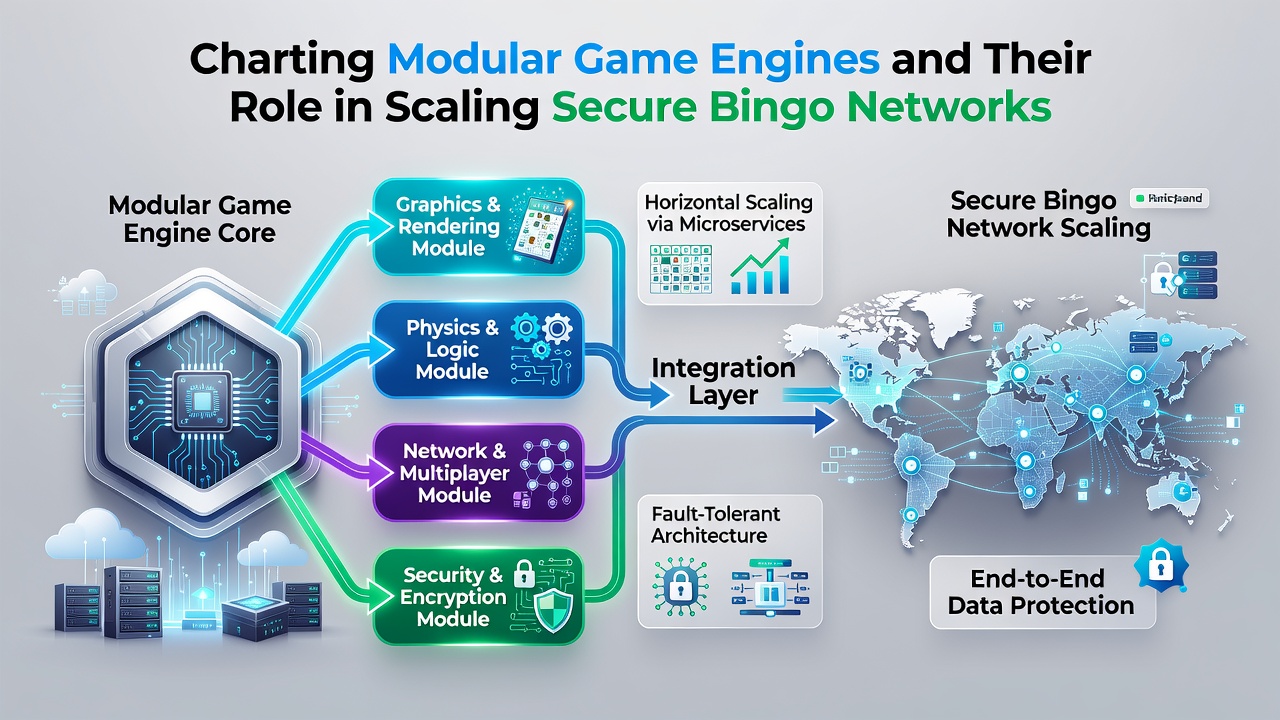
Payment gateways operate as swappable modules that accommodate local banking regulations and currency conversions, and this flexibility proves useful when networks expand into new markets. Observers note that operators avoid vendor lock-in because they can replace a payment module without touching the underlying game logic or player database.
Security Advantages in Distributed Bingo Environments
Distributed bingo networks face constant threats from coordinated attacks on random number integrity and player fund access points, yet modular designs contain breaches by isolating affected components. Research from the International Centre for Gaming Studies shows that segmented architectures limit the blast radius of exploits because compromised modules can be taken offline while others continue operating. Those responsible for network operations often implement zero-trust verification between modules so that every request undergoes authentication regardless of origin.
Regular penetration testing targets individual modules rather than entire platforms, which shortens remediation cycles and keeps overall system availability high. Data shows that networks with this testing cadence maintained 99.8 percent uptime during the 2025-2026 fiscal year.
Future Development Patterns
Development teams continue refining module interoperability standards that allow third-party tools to plug into existing bingo engines without custom coding. Academic papers presented at the 2026 Gaming Technology Symposium highlighted open interface specifications that support both legacy hardware and cloud-native deployments. What's interesting is how these standards enable smaller operators to adopt enterprise-grade security features by licensing only the modules they need.
Case studies from Australian state-licensed networks demonstrate that modular upgrades can be rolled out incrementally across bingo clubs, minimizing disruption to ongoing games and player balances. Researchers discovered that phased implementation cut training time for staff by 30 percent because each module update included focused documentation.
Conclusion
Modular game engines provide the structural foundation for bingo networks that must grow while meeting strict security and compliance demands, and their component-based approach supports both technical scalability and regulatory adaptability. Continued refinement of interface standards and security protocols will shape how operators manage expansion through 2027 and beyond.