Coordinating User Tools with Reward Structures Across Regulated Mobile Gaming Setups
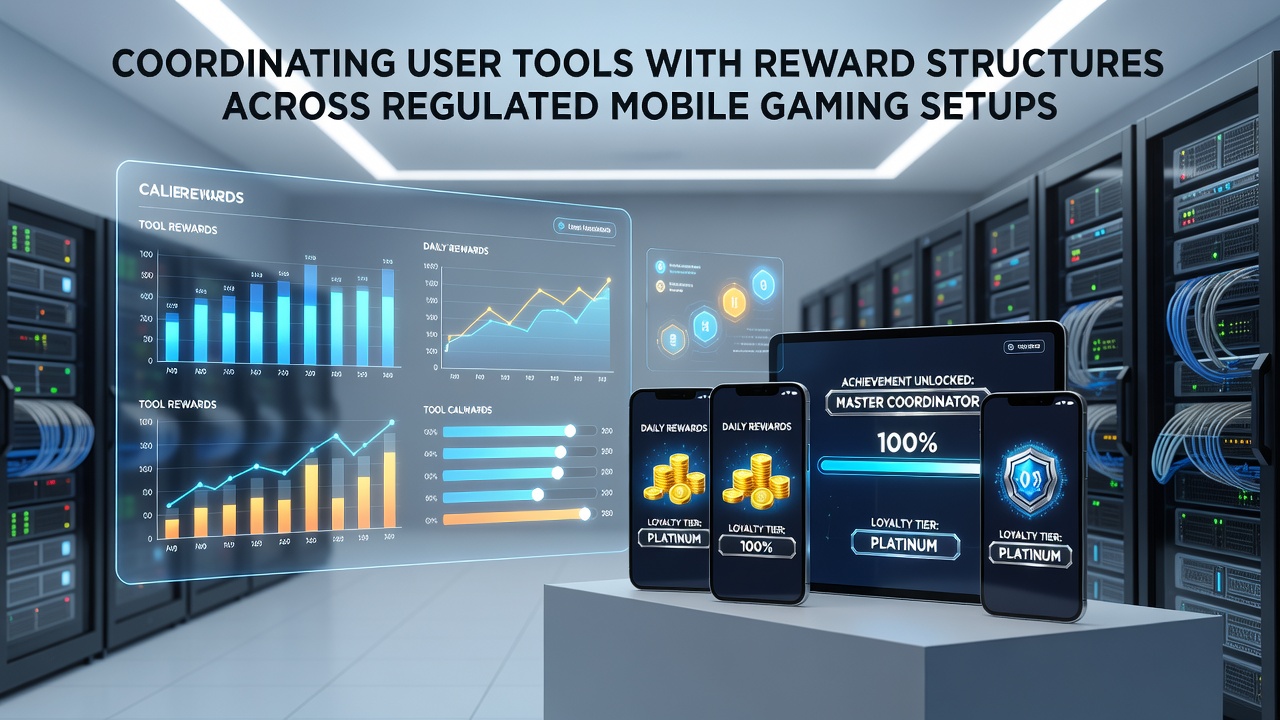
Regulated mobile gaming environments require precise alignment between user-facing tools and reward mechanisms to maintain compliance while supporting player engagement across multiple jurisdictions. Developers integrate analytics dashboards, session monitors, and account management features with loyalty points systems, bonus allocation engines, and personalized incentive models so that every interaction stays within established legal boundaries. Data from various regulatory bodies shows that such coordination reduces administrative overhead and helps operators respond quickly to rule changes.
Regulatory Landscapes Shaping Tool and Reward Integration
Multiple regions enforce standards that directly influence how platforms connect user tools to rewards. In Canada the Alcohol and Gaming Commission of Ontario sets requirements for real-time reporting of player activity and reward redemptions, which forces developers to build APIs that link session data directly to compliance logs. Australian authorities apply similar rules through the Australian Communications and Media Authority, requiring operators to track reward distributions alongside responsible gaming interventions. These frameworks create a shared need for modular architectures where updates to one component, such as a new bonus cap, automatically propagate to connected user interfaces without manual intervention.
Operators in the United States follow state-specific mandates that often reference federal guidelines on financial reporting. When a new rule takes effect, such as anticipated adjustments scheduled for July 2026 in several jurisdictions, platforms must adjust reward thresholds and user notification systems simultaneously. Observers note that companies using unified data layers experience fewer compliance gaps during these transitions because changes flow through a single control point rather than scattered modules.
Core User Tools and Their Connections to Rewards
User tools in regulated mobile gaming typically include account dashboards, game history viewers, deposit and withdrawal managers, and responsible gaming limit setters. Each tool feeds data into reward engines that calculate eligibility for bonuses, loyalty tiers, and promotional offers. A deposit manager, for example, records transaction details that the reward system uses to trigger instant cashback credits while simultaneously flagging any limits set by the player. Session monitors track play duration and feed that information to both the compliance module and the loyalty calculator, ensuring rewards reflect actual activity without violating time-based restrictions.
Research from academic sources indicates that tightly coupled systems improve accuracy in reward delivery. One study from a European research institution found that platforms separating user tools from reward logic experienced a higher rate of mismatched bonus awards compared with integrated setups. The difference arises because separate systems require constant reconciliation, whereas coordinated architectures update both sides in the same transaction cycle.
Technical Approaches to Maintaining Alignment
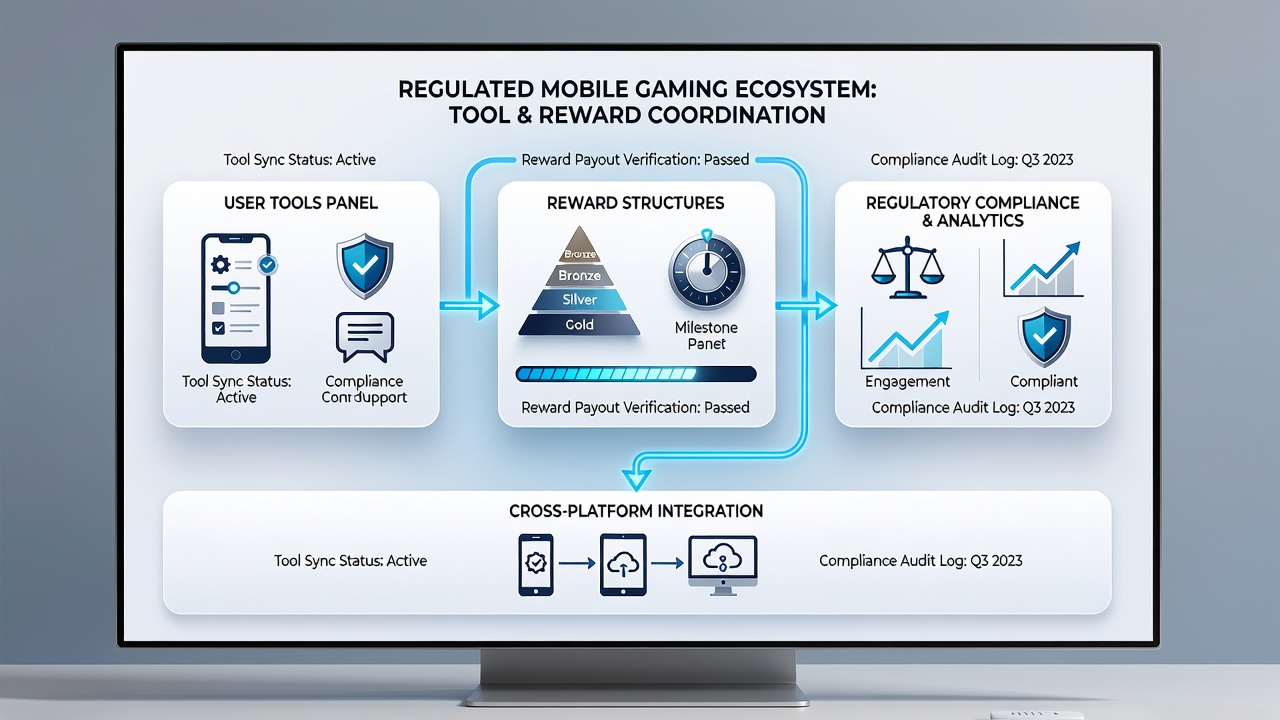
Platform architects rely on event-driven designs where user actions generate standardized events that trigger reward calculations and compliance checks at the same time. A player reaching a loyalty milestone produces an event that updates the visible tier in the account dashboard, logs the reward for regulatory audit, and adjusts future bonus eligibility. Middleware layers handle translation between different data formats so that legacy user tools can communicate with newer reward modules without extensive rewrites.
Those who have implemented these designs report that containerized services allow independent scaling of high-traffic components like reward engines during peak periods while keeping user tool performance stable. Version control systems track every change to both tool logic and reward rules, creating an audit trail that satisfies inspectors across borders. Industry reports from the American Gaming Association highlight that operators adopting these methods reduced the time needed to roll out regulatory updates by measurable margins.
Examples from Different Markets
European operators often combine user preference centers with reward personalization engines to meet GDPR consent requirements while still delivering targeted offers. A preference update immediately affects which rewards appear in the player interface and which data points the system uses for future calculations. Canadian platforms demonstrate similar patterns, where provincial rules on reward transparency require that every bonus offer link back to the originating user action visible in the account history.
North American state regulators increasingly request exportable records showing how user-set limits interact with reward accrual. Coordinated systems generate these reports automatically by querying both the limit database and the reward ledger in one operation. This approach avoids the delays that occur when teams must manually cross-reference separate databases during audits.
Conclusion
Effective coordination between user tools and reward structures in regulated mobile gaming depends on shared data models, event-driven processing, and adaptable compliance layers that respond to rule changes across regions. As jurisdictions prepare for updates scheduled around July 2026, platforms with integrated designs stand ready to adjust reward parameters and user notifications through unified control points. The result is consistent operation that satisfies regulatory demands while preserving the functionality players expect from mobile interfaces.