Decoding Intersections Between Game Mechanics and Loyalty Incentives in Regulated Digital Bingo Environments
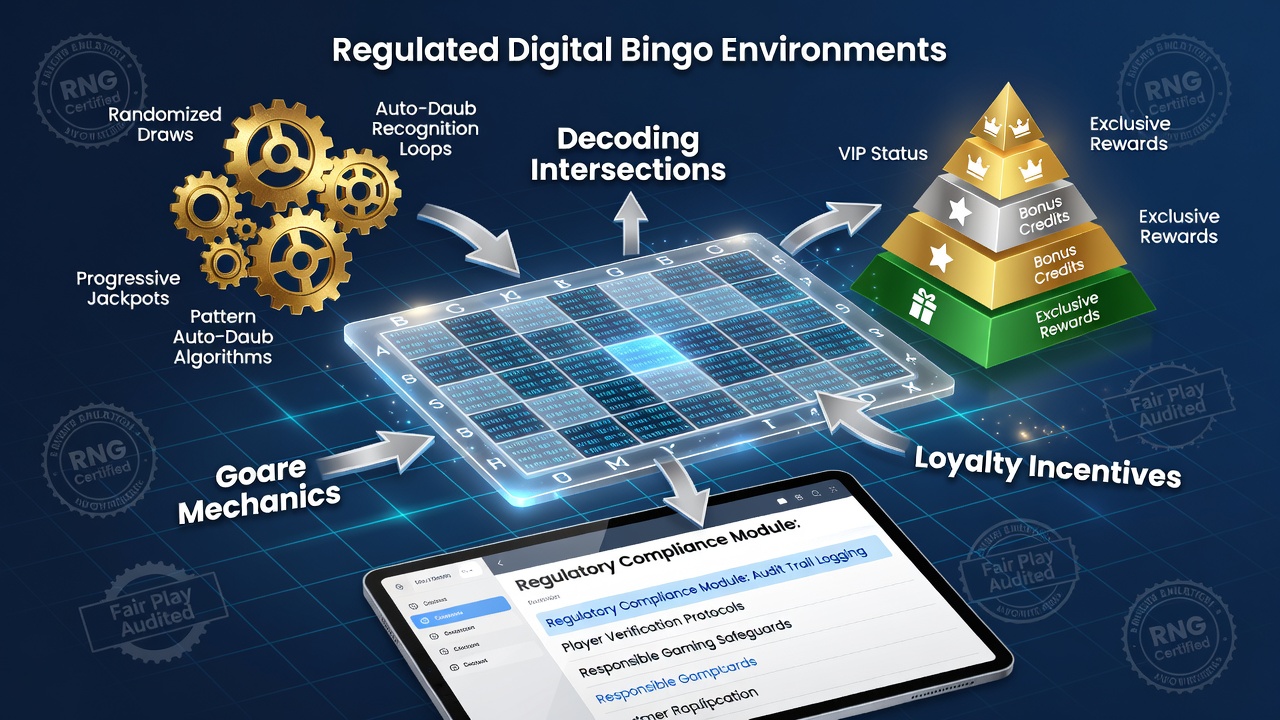
Digital bingo platforms operate under strict regulatory frameworks that shape how game mechanics connect with loyalty incentives, and these connections influence player retention across multiple jurisdictions. Regulated environments require operators to align elements such as ball draw patterns, card configurations, and speed variations with reward systems that comply with fairness standards and anti-money laundering rules.
Core Game Mechanics That Drive Engagement
Game mechanics in regulated digital bingo include 75-ball and 90-ball variants along with speed bingo formats that alter session duration and pattern completion rates. These mechanics determine how quickly players accumulate points or trigger bonus rounds, while platforms must maintain certified random number generators to ensure outcomes remain unpredictable yet verifiable. Data from the Alcohol and Gaming Commission of Ontario indicates that session length metrics correlate directly with reward eligibility thresholds in licensed operations.
Operators integrate progressive jackpot triggers into standard gameplay loops so that loyalty points accrue based on specific pattern achievements rather than random chance alone. This approach allows systems to reward consistent participation without violating payout ratio requirements set by regional authorities.
Loyalty Incentive Models Under Regulatory Scrutiny
Loyalty programs in these environments typically combine tiered point accumulation with redeemable credits or exclusive game access. Regulators examine whether incentive structures create artificial advantages or encourage excessive play volumes, which leads platforms to calibrate reward frequencies against audited play data. In June 2026 several North American licensing bodies issued updated guidance requiring detailed reporting on how loyalty multipliers interact with minimum bet requirements.
Points often convert into entries for secondary draws or reduced-fee tournaments, and these conversions must follow transparent formulas that auditors can review. Research from the National Council on Problem Gambling shows that clearly disclosed conversion rates help maintain compliance across state lines.
Where Mechanics and Incentives Meet in Practice
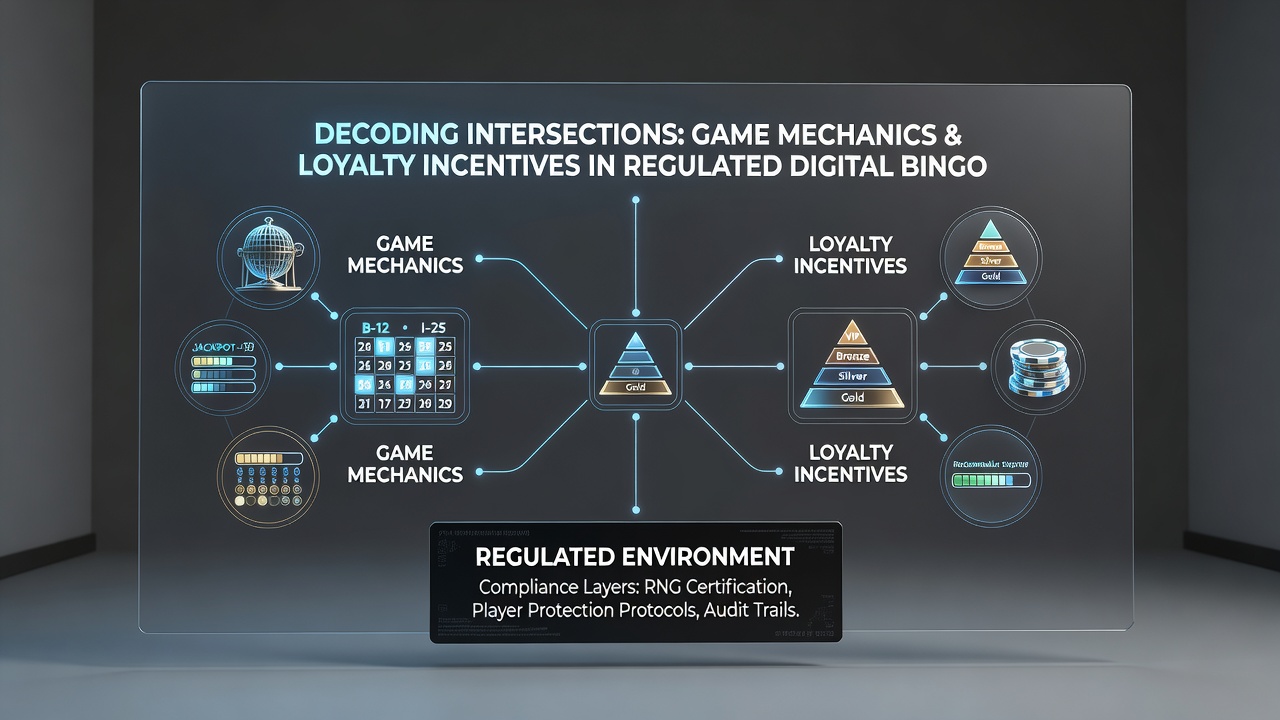
Platform developers link specific mechanics such as dauber speed settings or multi-card options to loyalty milestones so that faster play unlocks higher reward tiers. This linkage requires backend systems capable of real-time tracking while preserving game integrity logs demanded by oversight agencies. Observers note that operators who synchronize these elements report more stable player activity curves across quarterly reviews.
Bonus rounds triggered by completing complex patterns can award loyalty currency directly, yet regulators require these features to operate within predefined return-to-player boundaries. The result is a design process where game logic and incentive logic share the same compliance database, allowing adjustments when audit findings reveal imbalances.
Compliance Tools That Bridge Both Systems
Modular compliance software now tracks both mechanical performance and reward distribution within unified dashboards, which simplifies the reporting obligations that multiple jurisdictions impose. These tools flag when loyalty multipliers exceed thresholds tied to certain game speeds or when pattern-based bonuses cluster around high-volume accounts. Australian regulators have required similar integrated reporting since early 2025, and comparable standards continue to spread.
Encryption standards protect the data streams connecting game servers to loyalty ledgers, ensuring that any manipulation attempts trigger immediate alerts. Operators maintain separate audit trails for mechanical fairness and incentive fairness, even though the two often rely on overlapping datasets.
Future Adjustments and Reporting Cycles
Regulatory calendars in 2026 call for mid-year reviews that examine how new game variants affect existing loyalty structures, prompting operators to recalibrate point values before peak seasons. These reviews rely on anonymized aggregate data rather than individual profiles, which aligns with privacy regulations in force across participating regions.
Conclusion
The intersection of game mechanics and loyalty incentives in regulated digital bingo continues to evolve through shared data frameworks and synchronized compliance requirements. Jurisdictions maintain oversight by demanding transparent linkages between pattern outcomes, session metrics, and reward distributions, which creates operational consistency across licensed platforms. As reporting cycles advance through 2026, operators and regulators alike refine these connections to support sustainable participation models while meeting legal standards.