Inside Backend Data Streams: How Component Syncing Shapes Retention Patterns Across Bingo Platforms
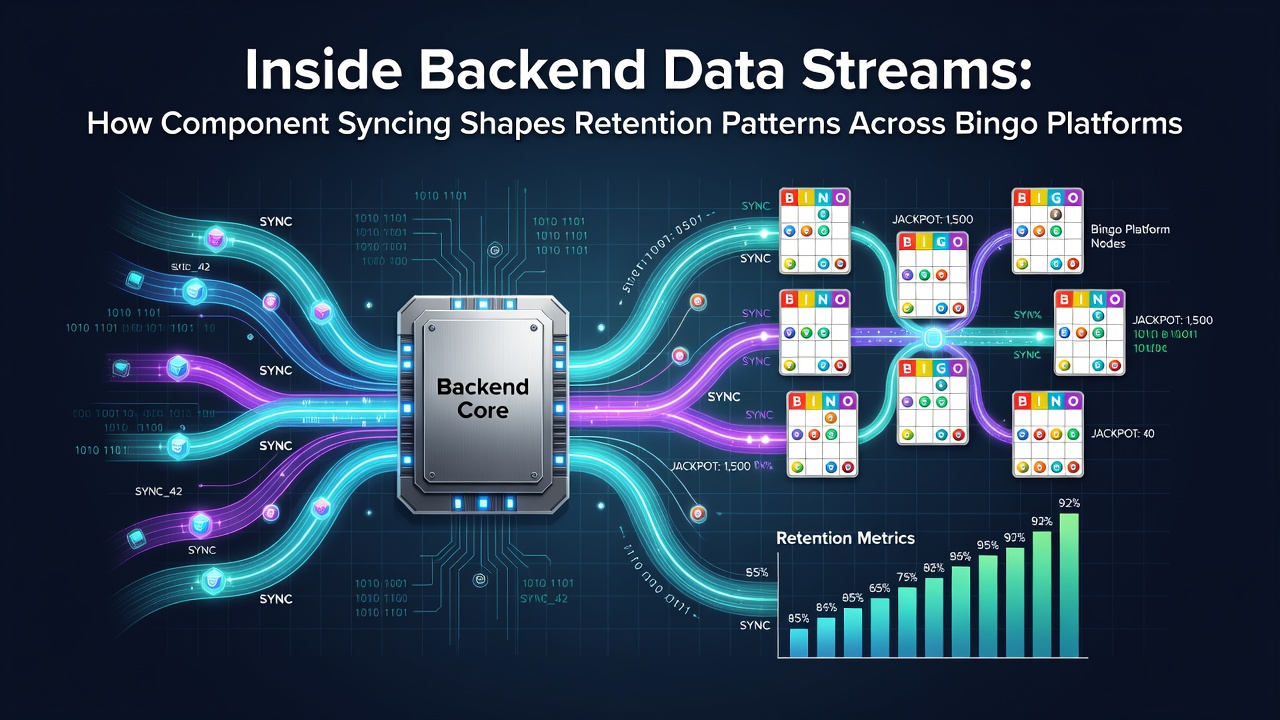
Backend data streams in bingo platforms handle continuous flows of player activity, game outcomes, and transaction records that update in real time across multiple servers, and component syncing ensures these elements align without delays or conflicts that could disrupt user sessions. Researchers at institutions studying digital gaming infrastructure have documented how synchronized components maintain consistent data states between user interfaces, payment processors, and loyalty trackers, which in turn influences how long participants stay engaged with specific platforms. Data from the American Gaming Association indicates that platforms with robust syncing protocols recorded measurable differences in session durations during the first half of 2026, particularly when updates occurred across distributed networks.
Core Mechanisms of Component Syncing in Data Streams
Component syncing operates through protocols that propagate changes from one module to others within milliseconds, covering elements such as player balance adjustments, game state records, and bonus eligibility flags while preventing desynchronization that might occur during peak traffic periods. Observers note that bingo platforms often rely on event-driven architectures where each component publishes updates to a central stream, allowing subscribed services to react instantly and maintain a unified view of the player's current status. This setup becomes especially relevant in environments where multiple game instances run simultaneously across mobile and desktop clients, as any lag in synchronization can interrupt the sequence of draws or prize claims.
Studies from the University of Nevada, Las Vegas Center for Gaming Research have examined how these streams manage high volumes of micro-transactions typical in bingo formats, revealing that effective syncing reduces error rates in retention-related metrics like repeat login frequency. Platforms operating in regulated markets must also align these streams with compliance logging requirements, ensuring that every synced update carries an auditable timestamp that meets jurisdictional standards.
Impact on Player Retention Patterns
Retention patterns emerge from the cumulative effect of seamless experiences, where synced components deliver uninterrupted play that encourages users to extend their time on the platform rather than switching to alternatives. When data streams carry consistent information about active bonuses or progressive jackpots, players encounter fewer interruptions that might otherwise prompt session abandonment. Figures released in industry reports around June 2026 showed platforms with advanced syncing achieving higher monthly active user retention rates compared to those relying on periodic batch updates.
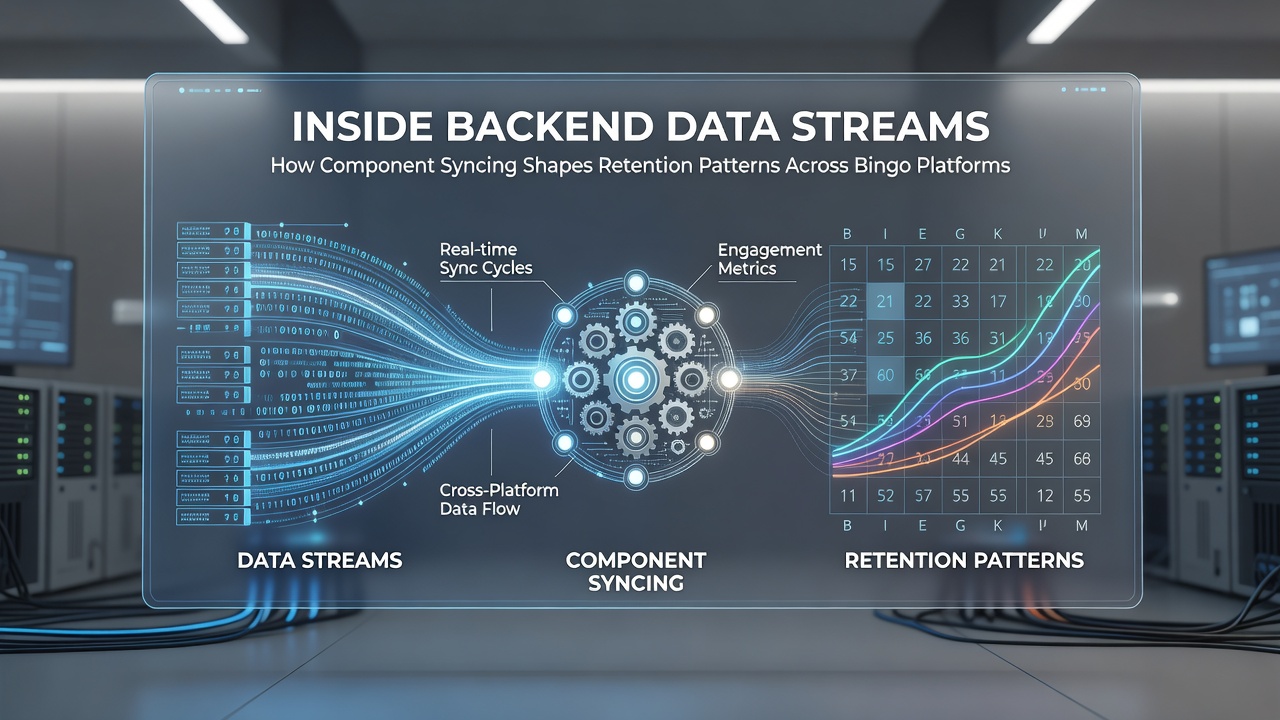
Those who've analyzed retention data across multiple jurisdictions point out that syncing also supports personalized engagement features by ensuring loyalty points and reward tiers update accurately across all connected services. This accuracy matters because mismatched data can lead to player frustration when claimed rewards fail to appear promptly, whereas properly aligned streams enable immediate confirmation that reinforces continued participation. European Gaming and Betting Association analyses of cross-border platforms have highlighted similar patterns, noting that regions with stricter real-time reporting rules tend to see stronger correlations between syncing quality and long-term user retention.
Technical Considerations Across Different Platforms
Bingo platforms vary in scale from regional operators to international networks, yet the underlying requirement for component syncing remains consistent because each environment processes overlapping data categories including ticket purchases, draw results, and chat interactions. Developers implement message queues and distributed ledgers to handle these streams, allowing components to subscribe only to relevant updates and thereby reduce unnecessary processing overhead. Research indicates that platforms adopting these methods experience fewer instances of data drift, which directly affects how retention algorithms predict and respond to user behavior over successive weeks or months.
Additional layers of encryption and access controls integrate into the syncing process to protect sensitive player information while still permitting the rapid exchange needed for fluid gameplay. Regulatory bodies in various regions require documentation of these controls, and operators must demonstrate that syncing mechanisms do not introduce vulnerabilities that could compromise account integrity or financial records.
Conclusion
Component syncing within backend data streams continues to define how bingo platforms manage retention by maintaining coherence across all operational modules, from game engines to payment gateways and user analytics tools. Evidence gathered through ongoing monitoring shows that platforms investing in these synchronization capabilities sustain steadier engagement levels, particularly as user bases expand and regulatory expectations around data accuracy increase. The patterns observed through 2026 underscore the practical value of treating data streams as interconnected systems rather than isolated processes.