Mapping the Links Between User Oversight Protocols and Revenue Sharing Models in App-Driven Gaming Networks
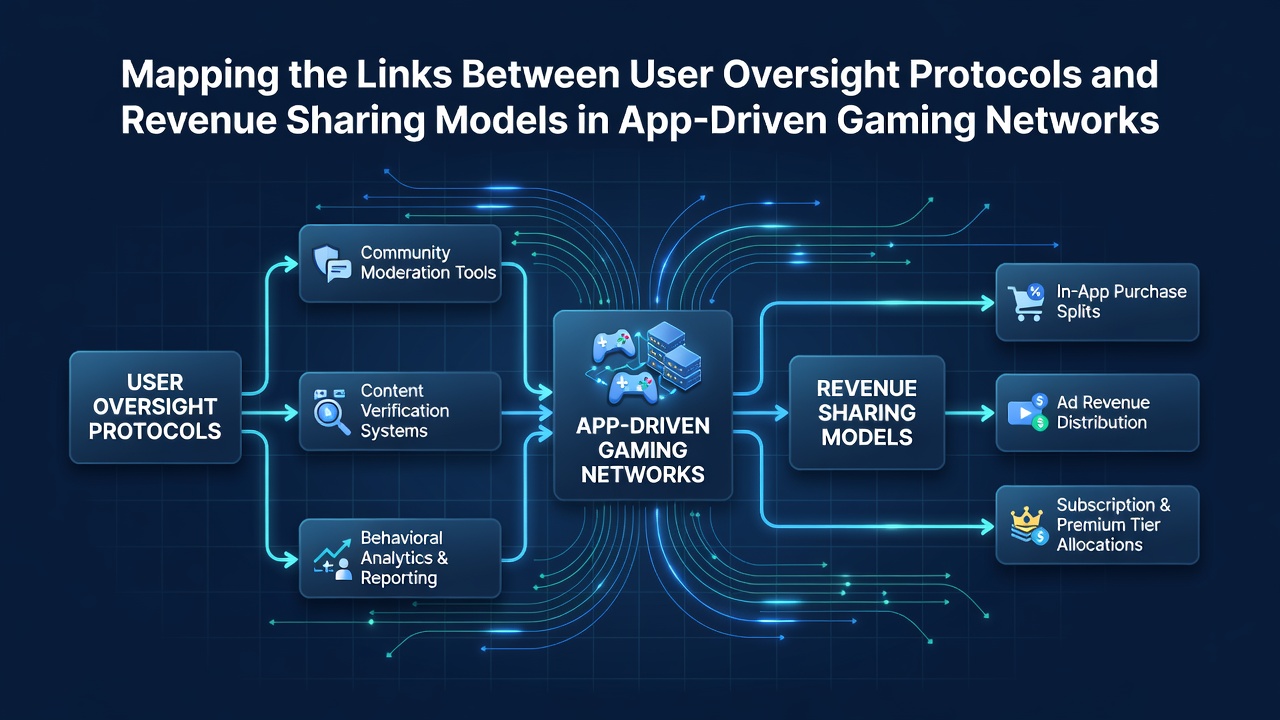
App-driven gaming networks have expanded rapidly across mobile platforms, where user oversight protocols and revenue sharing models intersect in ways that shape both compliance and financial flows. Observers note that these protocols encompass moderation systems, age verification tools, and real-time monitoring mechanisms, while revenue models typically divide proceeds among developers, platform operators, and sometimes player communities through affiliate or loyalty structures. Data from multiple regions shows that tighter oversight often correlates with adjusted revenue splits, particularly when regulatory requirements increase operational costs.
Core Components of User Oversight Protocols
Researchers have documented how oversight protocols in gaming apps include automated content filters, human review teams, and integration with external databases for fraud detection, all of which operate continuously to maintain platform standards. In June 2026, several major networks updated their monitoring dashboards to incorporate machine learning models trained on player behavior patterns, a shift that reduced response times for reported incidents according to industry reports. These systems connect directly to payment gateways because flagged accounts often trigger holds on withdrawals or revenue distributions, creating a direct operational link between oversight actions and financial outcomes.
Regional Regulatory Influences on Oversight
Authorities in different jurisdictions apply varying levels of scrutiny, with the Nevada Gaming Control Board requiring detailed audit trails for all player interactions in licensed apps, whereas Australian Communications and Media Authority guidelines emphasize consumer protection reporting that affects how networks allocate compliance budgets. Those who've studied these frameworks observe that networks operating across borders must maintain separate oversight layers, each carrying its own cost structure that feeds into revenue calculations. Evidence from compliance filings indicates that platforms investing early in unified oversight tools achieve more predictable revenue splits with their developer partners.
Revenue Sharing Structures in App Ecosystems
Standard revenue models in app-driven gaming divide gross player spend through fixed percentages allocated to app stores, developers, and network operators, yet many agreements now incorporate performance clauses tied to oversight metrics. When a network demonstrates strong moderation outcomes, such as lower dispute rates or faster resolution of player complaints, some contracts allow for increased developer shares because reduced risk justifies higher payouts. Figures released by the American Gaming Association in early 2026 reveal that networks with integrated oversight dashboards reported 12 to 18 percent variations in effective revenue splits compared to those relying on manual processes.
Adjustments Driven by Oversight Outcomes
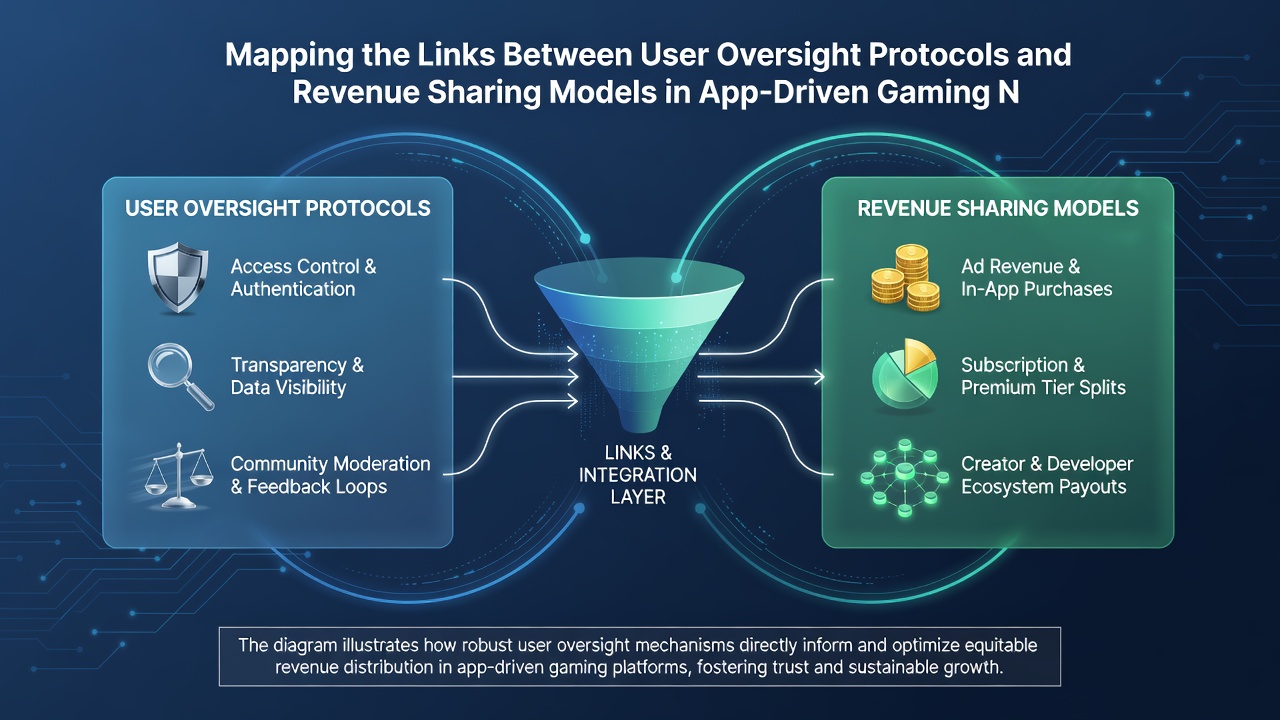
One documented pattern shows that networks apply revenue holdbacks when oversight protocols detect patterns of misuse, redirecting portions into reserve funds that cover potential regulatory penalties or player reimbursements. This mechanism appears in agreements where developers agree to reduced immediate shares in exchange for network-provided compliance infrastructure. Data indicates that such arrangements have become more common since 2025, particularly among mid-sized operators seeking to scale without building separate moderation teams. External analysis from the European Gaming and Betting Association highlights how these clauses create measurable incentives for developers to design games that inherently support easier monitoring.
Integration Points Between Oversight and Revenue Flows
The practical connections emerge at specific operational checkpoints where oversight decisions trigger automated adjustments in revenue distribution systems. For instance, when a player account receives a temporary suspension, associated revenue streams pause until review completion, which prevents premature payouts that might later require reversal. Networks that map these decision trees in advance report smoother reconciliation processes at the end of each reporting period. Studies from research institutions have noted that transparent mapping of these links reduces disputes between network operators and content creators because both parties understand the financial implications of each oversight action.
Additional complexity arises in multi-player environments where community-generated content contributes to overall revenue, requiring oversight protocols to evaluate contributions before any sharing occurs. Platforms that implemented tiered review systems in 2026 saw measurable differences in how quickly creator payouts processed compared to those using uniform review queues. The reality is that these integration points determine whether revenue models remain stable or fluctuate based on daily oversight volume.
Conclusion
Mapping these links reveals that user oversight protocols function as both cost centers and risk mitigators that directly influence the structure of revenue sharing agreements in app-driven gaming networks. Networks that align their monitoring capabilities with financial distribution rules achieve more consistent outcomes across regulatory environments. Continued examination of these intersections provides clearer visibility into how operational decisions translate into economic results for all participants in the ecosystem.