Navigating Synergies Between Support Infrastructure and Retention Mechanisms Across Bingo Platform Ecosystems
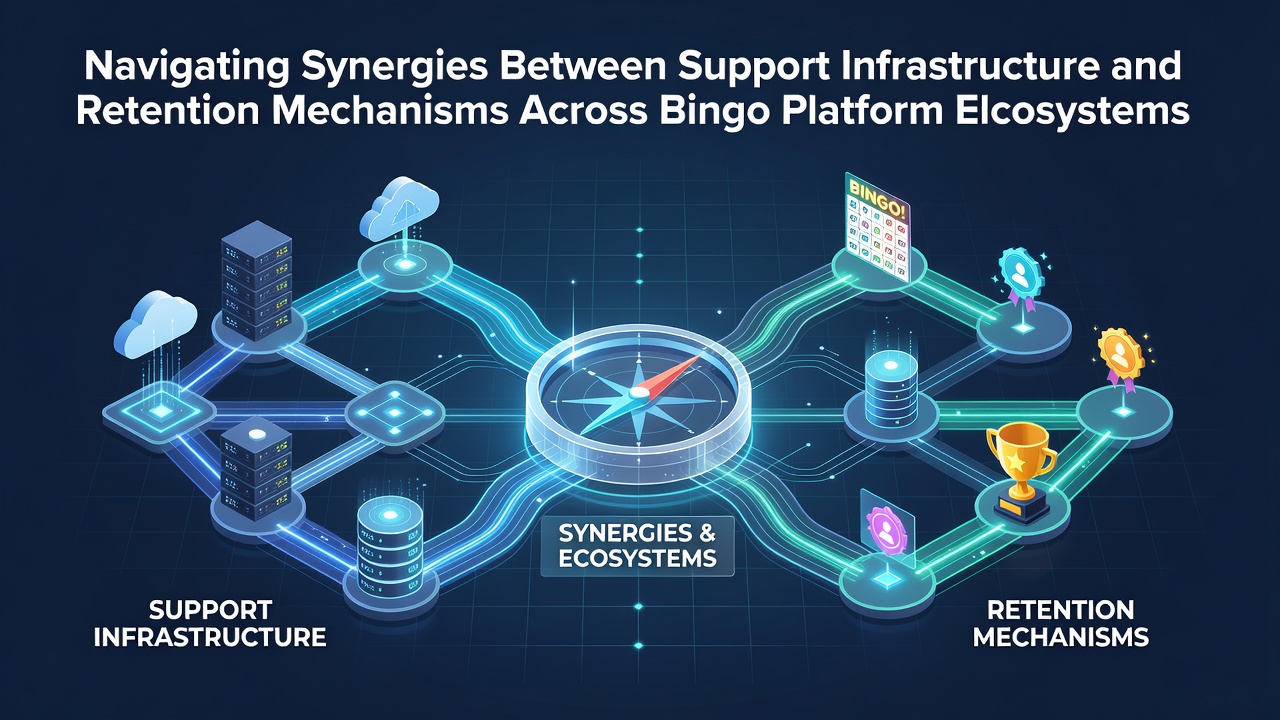
Platform operators across bingo ecosystems integrate support infrastructure with retention mechanisms to maintain player engagement while managing operational demands, and data from multiple regions shows these connections drive measurable outcomes in user activity levels. Support systems handle real-time queries through chat interfaces, email ticketing, and automated bots, whereas retention tools deploy loyalty points, personalized bonuses, and targeted notifications that encourage repeat sessions. When these elements align, operators observe smoother player journeys that reduce churn rates without requiring separate development cycles for each function.
Core Components of Support Infrastructure in Bingo Networks
Support infrastructure encompasses backend databases that log player interactions, payment verification modules, and compliance monitoring layers that flag irregular patterns, and these elements operate continuously across desktop and mobile environments. Researchers at industry conferences note that modular designs allow quick updates to support protocols, which in turn feed retention algorithms with fresh behavioral insights. In July 2026, several platforms plan to roll out enhanced multi-language support features timed with summer promotional periods, reflecting patterns seen in prior years where seasonal spikes coincide with increased query volumes.
Payment processing teams work alongside support staff to resolve transaction issues within minutes, and this speed directly influences whether players complete loyalty milestones or abandon sessions midway. Observers note that integrated dashboards let agents view a player's retention history during live chats, enabling tailored responses that address both immediate problems and long-term engagement goals.
Retention Mechanisms and Their Data Dependencies
Retention mechanisms rely on segmentation models that categorize users by play frequency, deposit patterns, and game preferences, then trigger automated incentives such as free cards or cashback offers. According to American Gaming Association reports, retention campaigns achieve higher conversion when they incorporate real-time support feedback, because unresolved issues often interrupt the reward cycle before players claim bonuses. Platforms use API connections between support tickets and loyalty engines to pause or adjust offers automatically when technical problems arise, preventing frustration that could erode trust.
Case examples from North American operators illustrate how support logs reveal friction points in bonus redemption flows, prompting developers to refine user interfaces and notification timing. Those who've studied platform metrics find that players who receive prompt issue resolution show elevated retention scores compared with those who encounter delays, and the difference compounds across multi-week campaigns.
Integration Strategies Across Diverse Platform Ecosystems
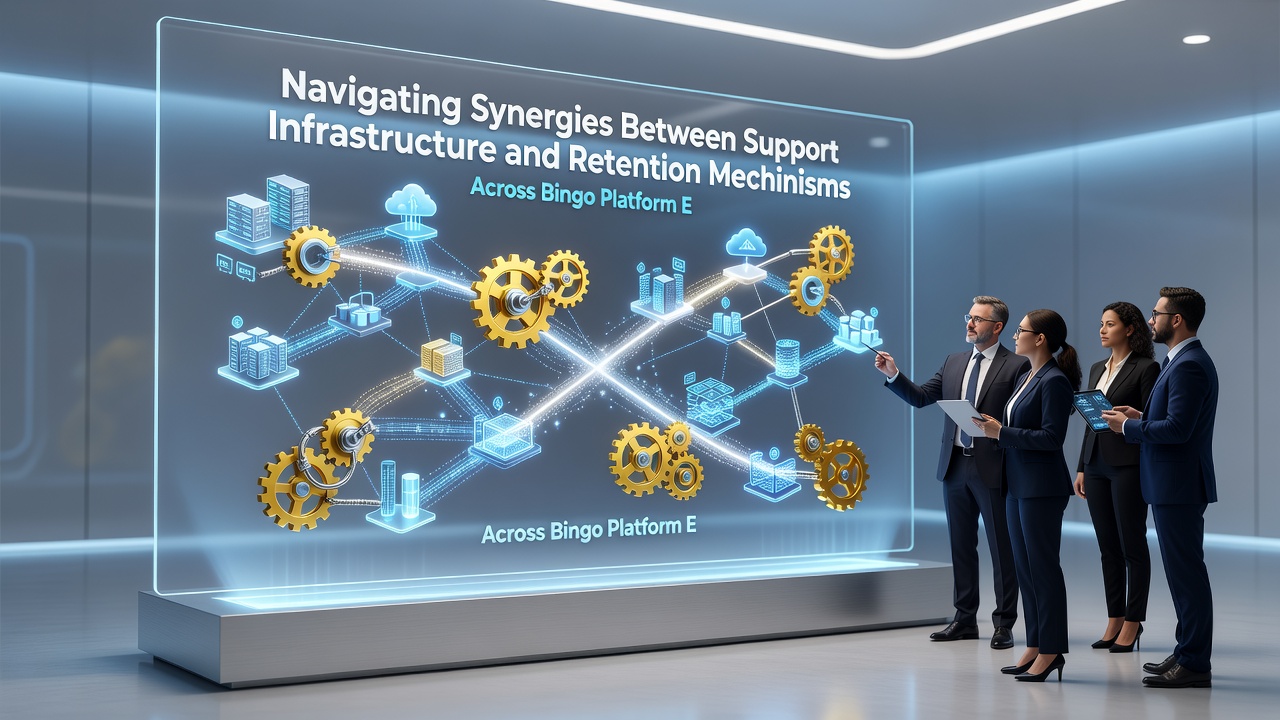
Operators achieve synergy by embedding support data streams into retention dashboards, allowing algorithms to prioritize high-value users who recently contacted support and to customize follow-up offers accordingly. European platforms have adopted similar frameworks through partnerships with regional regulators, and Victorian Commission for Gambling and Liquor Regulation guidelines emphasize transparent communication channels that double as retention touchpoints. In practice, this means a single support interaction can trigger loyalty adjustments without additional manual intervention from marketing teams.
Cross-platform ecosystems face added complexity because mobile apps generate different query types than browser-based halls, yet unified databases consolidate these inputs to maintain consistent retention logic. Developers implement event-driven architectures where support events push updates to retention modules in real time, and testing cycles in 2025 demonstrated reduced latency that preserved player momentum during peak hours. Those monitoring industry benchmarks report that such alignments correlate with steadier revenue curves, particularly when seasonal events in July 2026 are expected to draw larger audiences.
Compliance and Scalability Considerations
Regulatory requirements in multiple jurisdictions mandate audit trails for both support interactions and bonus distributions, and integrated systems simplify compliance reporting by linking the two data sets. Scalable cloud solutions let smaller operators expand support capacity during promotions without rebuilding retention infrastructure from scratch, and this flexibility proves useful when player volumes fluctuate around scheduled events. Technical teams configure rule sets that automatically flag support cases involving bonus disputes for review by retention specialists, closing potential gaps before they affect long-term metrics.
Conclusion
Platform ecosystems that map support infrastructure directly to retention mechanisms create operational efficiencies while sustaining player activity, and ongoing developments through 2026 will test these connections under varying load conditions. Data flows between the two domains enable proactive adjustments that keep users engaged across channels, and operators continue refining these linkages through iterative testing and regional compliance checks. The result appears in coordinated systems where every resolved ticket and every delivered bonus contributes to a single, measurable retention outcome.