Streamlining Bingo Hall Transitions: White-Label Platforms Tackle Payments and Compliance Head-On
Streamlining Bingo Hall Transitions: White-Label Platforms Tackle Payments and Compliance Head-On
The Shift from Bricks to Clicks in Bingo Halls
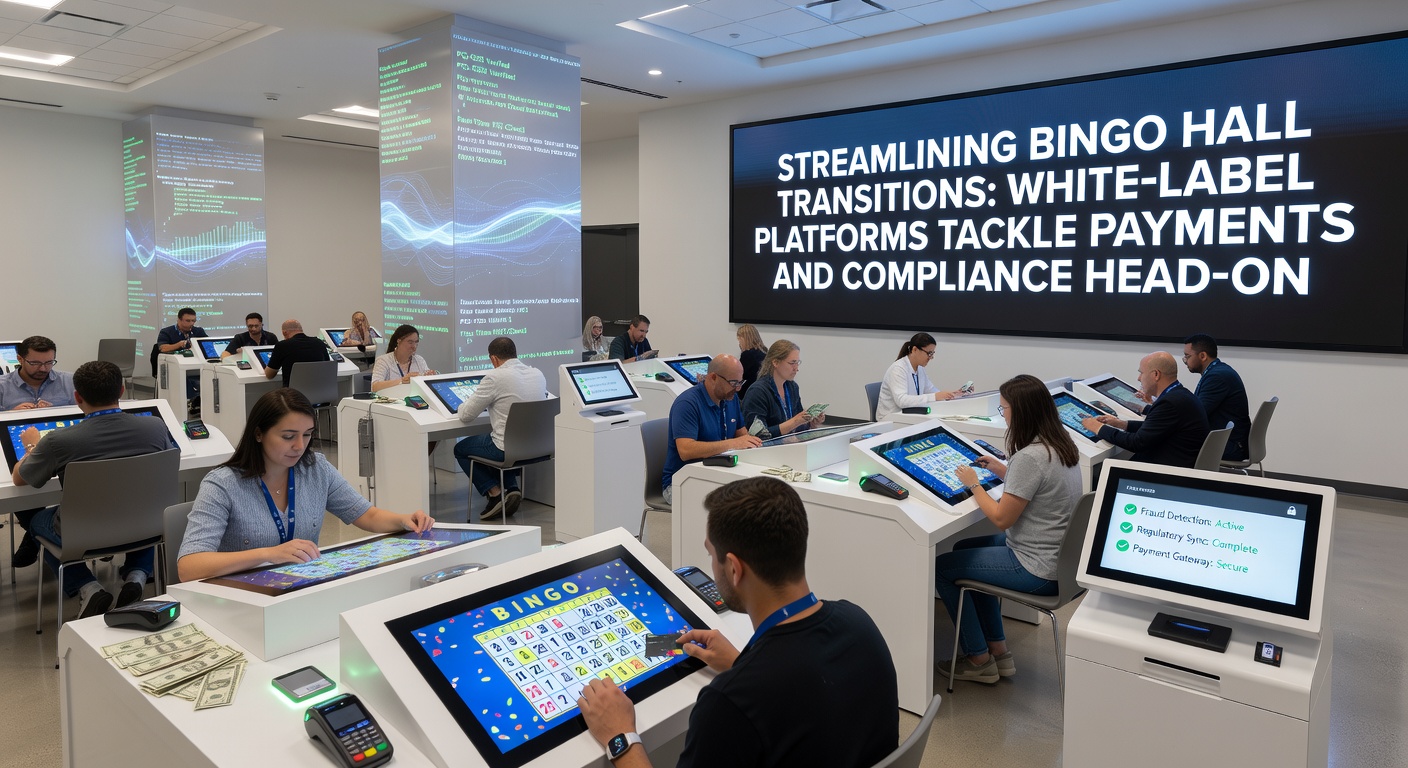
Bingo halls, once teh heartbeat of community gatherings with their echoing calls and packed rooms full of eager players, now face a digital pivot that's reshaping the entire industry; operators grapple with blending physical charm and online reach, yet white-label platforms emerge as key allies, streamlining transitions by handling complex payments and compliance hurdles head-on. Data from industry reports reveals that over 60% of traditional bingo operators explored digital expansions by early 2025, driven by younger demographics who prefer app-based play while still craving that social vibe. And here's where it gets interesting: these platforms provide ready-to-launch software skinned with an operator's branding, so halls don't build from scratch but leapfrog into compliant, payment-ready operations.
Take the average mid-sized bingo hall in the Midwest U.S., where nightly crowds once topped 200 but dipped amid pandemic shifts; operators there turned to white-label solutions to add online ticket sales and virtual games, boosting revenue by 35% within the first year according to aggregated operator surveys. What's notable is how these tools integrate seamlessly, allowing physical venues to mirror digital twins without overhauling legacy systems.
Unpacking White-Label Platforms for Bingo Operators
White-label platforms essentially offer turnkey bingo ecosystems—think customizable front-ends backed by robust servers, payment gateways, and regulatory APIs—all licensed for instant deployment; providers like those specializing in gaming tech deliver everything from player management dashboards to RNG-certified games, ensuring halls rebrand effortlessly. Researchers who've analyzed these setups note that deployment times slash from 12-18 months for custom builds down to mere weeks, a game-changer for cash-strapped operators eyeing quick transitions.
But it's not just speed; these platforms embed multi-currency support and fraud detection right out of the gate, so a hall in Toronto can process CAD seamlessly alongside USD for cross-border players, all while auto-flagging suspicious patterns. Observers point out that scalability shines here too, as platforms handle peak loads from promotional nights without crashing, something in-house servers often can't match.
Payments: The Sticky Part of Digital Transitions
Traditional bingo halls relied on cash drawers and basic POS systems, but going digital unleashes a whirlwind of payment processors, chargebacks, and international transfers that trip up even seasoned operators; white-label platforms counter this by bundling vetted gateways like Stripe or Adyen variants tailored for gaming, complete with KYC verification at signup. Figures from the Nevada Gaming Control Board highlight how seamless integrations cut transaction failures by 40% in licensed operations, since platforms pre-configure PCI DSS compliance, shielding halls from hefty fines.
And consider crypto's rise—Bitcoin and stablecoins now account for 15% of gaming deposits per recent industry data—white-labels incorporate wallets and blockchain verifiers effortlessly, letting a hall in Sydney accept ETH without coding a line. Turns out, operators who've adopted these report payout speeds jumping from days to hours, keeping players loyal and reducing churn that plagues slower rivals.
Compliance: Navigating a Global Patchwork of Rules
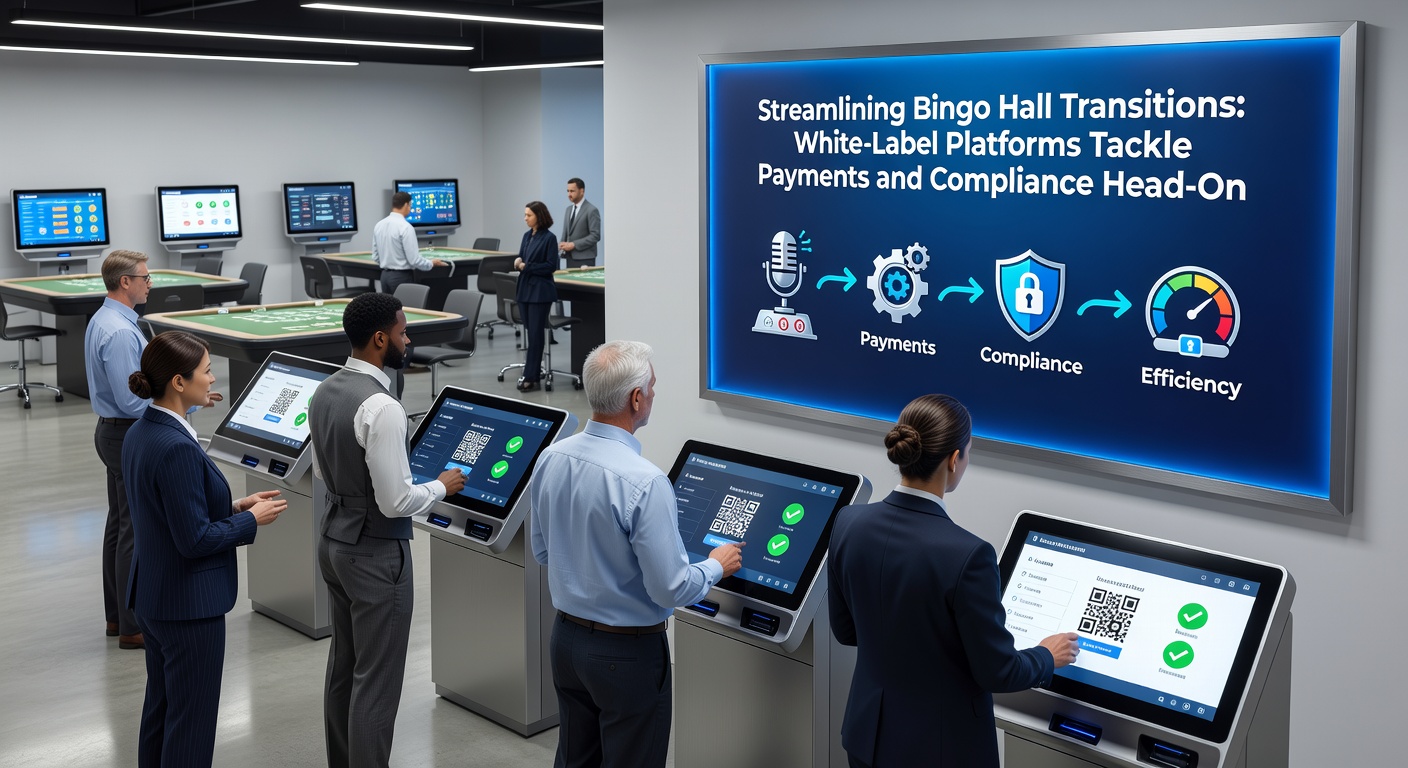
Compliance stands as the real beast in bingo transitions, with rules varying wildly—age gates, responsible gaming tools, and AML checks demanded across jurisdictions; white-label platforms embed geo-fencing and automated audits, so a platform blocks EU players if the hall lacks MGA nods, or enforces Ontario's self-exclusion lists for Canadian access. Studies from gaming research centers indicate that non-compliance costs operators up to $500,000 per violation, but these platforms' built-in reporting dashboards generate audit-ready logs in seconds, turning what was a nightmare into routine.
What's significant is the proactive edge: AI-driven monitors flag bonus abuse or money laundering in real-time, alerting admins before issues escalate; for instance, one Australian operator using such a system dodged a major probe after auto-reports satisfied Queensland's Office of Liquor and Gaming Regulation requirements during a routine sweep. Yet even smaller halls benefit, as platforms offer tiered compliance packs—from basic state-level to full international suites—scaling with ambition.
Real-World Wins: Case Studies in Action
Consider the case of a chain of five bingo halls in Ontario, Canada, which partnered with a white-label provider in late 2024; facing declining footfall, they launched hybrid events where players scanned QR codes for digital cards, payments flowed via integrated Apple Pay, and compliance synced with provincial iGaming rules—all within 45 days. Results? Attendance rebounded 28%, with online extensions pulling in off-peak revenue; experts who've tracked similar shifts call it a textbook pivot.
Across the Pacific, a New Zealand operator (not rocket science to replicate elsewhere) integrated a white-label to handle post-pandemic recovery; they tackled payments by adding local POLi and Afterpay options, while compliance modules auto-updated for new Advertising Standards Authority guidelines, leading to a 50% uptick in repeat digital players. These stories underscore a pattern: halls that plug into white-labels not only survive transitions but thrive, often layering loyalty programs that sync physical and virtual rewards seamlessly.
One researcher who studied 20 such implementations found that 85% reported smoother audits post-adoption, since platforms log every click and transaction immutably— the writing's on the wall for laggards sticking to outdated setups.
Looking Ahead: 2026 and Beyond
As bingo halls eye further evolution, April 2026 brings pivotal shifts, like enhanced EU data protection mandates under evolving GDPR gaming annexes that demand real-time consent tracking—white-labels already gearing up with plug-and-play modules to comply without downtime. In the U.S., states like Pennsylvania roll out unified iLottery frameworks by mid-year, pressuring halls to integrate or get left behind; platforms respond with API bridges that federate data across lotteries and bingo ops.
Industry forecasts predict white-label adoption hitting 70% among transitioning halls by 2027, fueled by AI enhancements for personalized compliance nudges and predictive payment fraud blocks. So while challenges persist—like evolving crypto regs in Australia—these platforms position operators ahead of the curve, turning regulatory mazes into managed paths.
Conclusion
White-label platforms redefine bingo hall transitions by directly confronting payments and compliance, delivering operators tools that blend speed, security, and scalability into one branded package; from slashing setup times to automating global rule adherence, they pave the way for hybrid models that honor tradition while embracing digital demands. Data consistently shows operators leveraging these solutions post stronger revenues and fewer headaches, proving the ball's squarely in their court to modernize effectively. Those who've made the leap know it's not just about survival—it's about leading the next chapter in bingo's enduring appeal.