Synchronizing Compliance Monitoring with Engagement Features Across Bingo Platform Networks
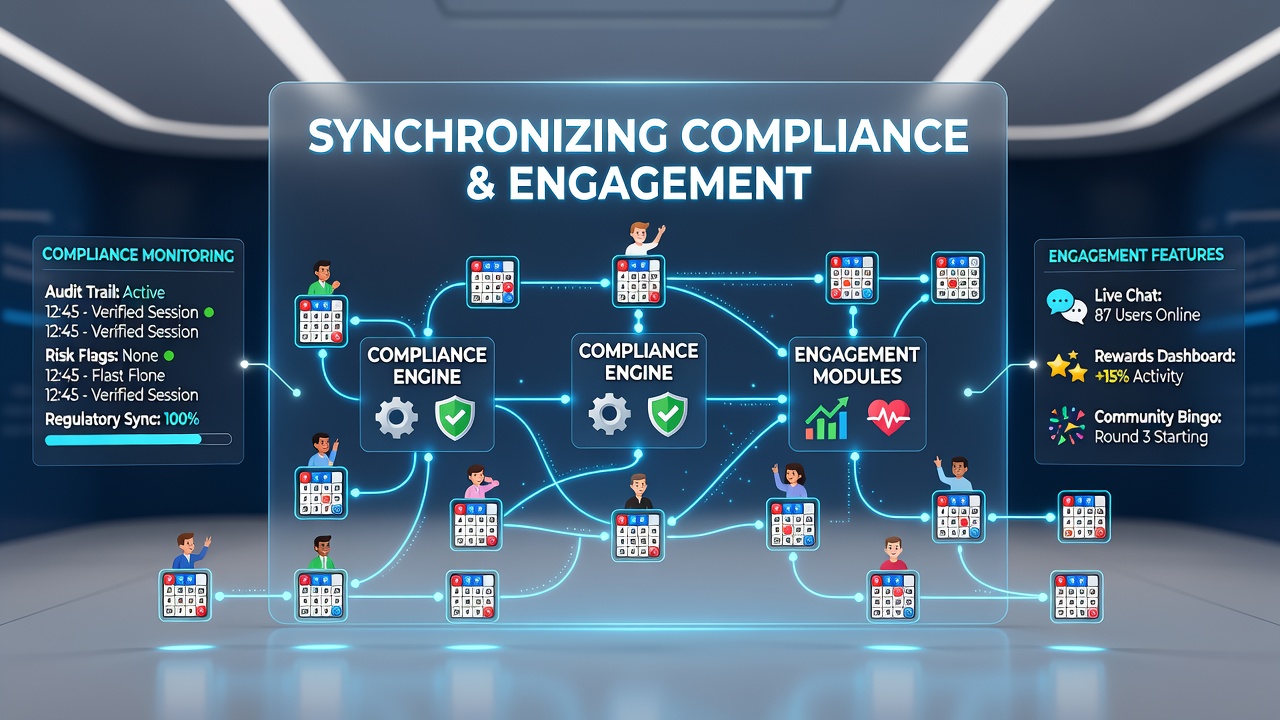
Platform operators across multiple regions have developed systems that align regulatory compliance checks directly with player engagement tools, allowing real-time adjustments to bonuses and loyalty programs while maintaining oversight of transaction patterns and user activity. These integrations rely on modular software architectures that feed data from engagement modules into compliance engines, creating workflows where alerts trigger automatic pauses in promotional offers when thresholds are approached.
Core Mechanisms Driving Integration
Data flows between compliance monitoring layers and engagement features through shared APIs that track player behavior metrics such as session duration, deposit frequency, and game selection patterns. When systems detect activity that approaches regulatory limits, they can scale back targeted offers or redirect users toward responsible play prompts without disrupting the overall network experience. Observers note that this synchronization reduces manual review times because automated rules handle routine checks while flagging only complex cases for human operators.
Networks operating in Canada and parts of Europe have adopted these approaches since early testing phases showed measurable decreases in compliance reporting errors. Figures from regulatory filings indicate that platforms using synchronized systems report fewer discrepancies during periodic audits compared with older standalone setups.
Regional Developments and July 2026 Timelines
Preparations for July 2026 include updates to reporting standards in several jurisdictions where bingo networks must demonstrate tighter coordination between engagement incentives and oversight protocols. Alberta Gaming, Liquor and Cannabis has outlined expectations for real-time data sharing in its latest guidance documents, prompting operators to refine how loyalty tracking systems interact with fraud detection modules. Similar adjustments appear in planning documents from other areas, where the goal centers on ensuring engagement features do not inadvertently bypass spending or participation caps.
One study revealed that networks implementing these synchronized features achieved faster response times when adjusting bonus structures mid-campaign. The process involves continuous data loops that update compliance status every few seconds, allowing engagement tools to remain active while staying within defined boundaries.
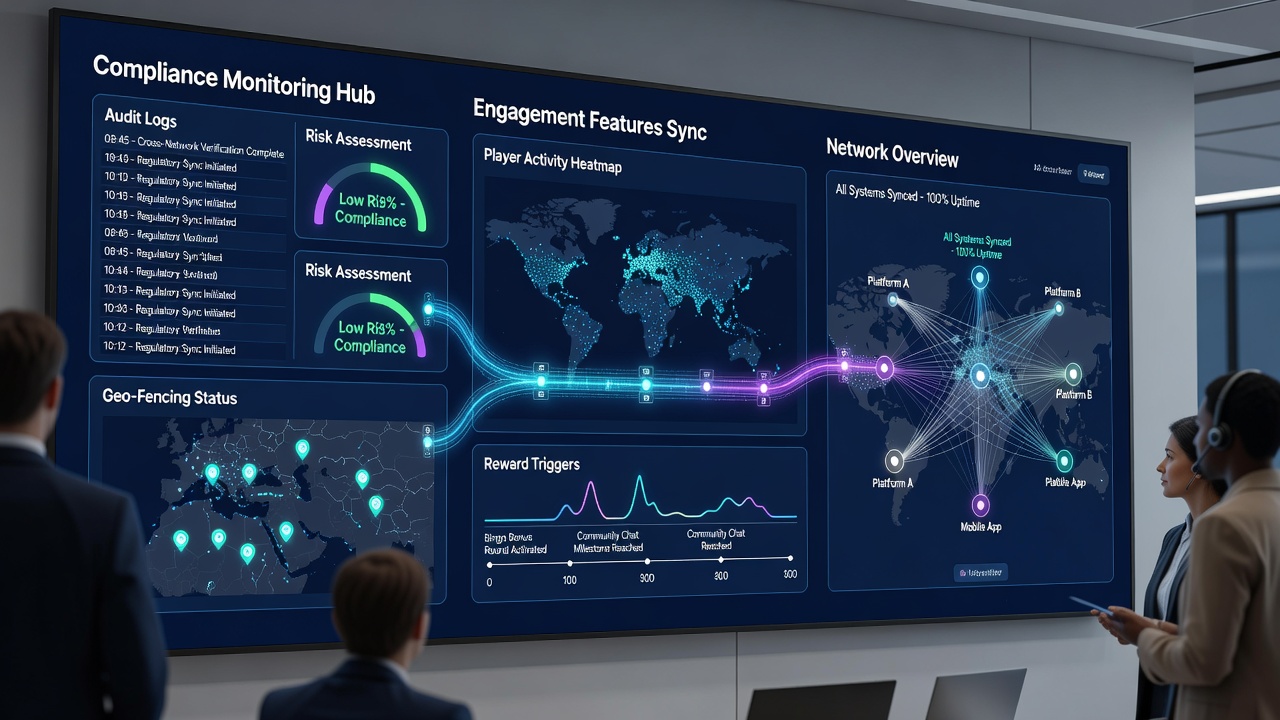
Technical Architecture and Data Handling
Component-based designs let developers isolate engagement functions such as personalized game recommendations from core compliance processors that monitor transaction volumes and identity verification status. This separation supports scalability because individual modules can receive updates without affecting the entire platform network. Researchers discovered that such architectures also simplify audit trails, since each component logs its own interactions in standardized formats that regulatory bodies can review more efficiently.
Engagement features benefit when compliance data informs personalization algorithms. For instance, a system might withhold certain bonus triggers for accounts showing elevated risk indicators while continuing to offer standard rewards to verified low-risk players. The approach maintains network-wide consistency even as different regions enforce varying rules on prize structures and player eligibility.
Industry Examples and Implementation Patterns
Take one operator managing multiple bingo sites who integrated compliance flags into the loyalty point accrual process. The result allowed automatic recalibration of reward tiers based on ongoing monitoring outputs, reducing instances where players exceeded permitted activity levels. Similar patterns appear in reports from gaming associations that track cross-border platform performance, where synchronized systems correlate with steadier revenue sharing among affiliates because fewer campaigns require last-minute halts.
According to analysis from the Gaming Laboratories International, modular compliance layers improve accuracy in loyalty tracking by cross-referencing engagement data against predefined regulatory parameters. This method avoids the need for separate databases that often create synchronization delays.
Future Scaling Considerations
As bingo platform networks expand, the demand for seamless synchronization grows because larger user bases generate higher volumes of compliance data that must align with engagement triggers. Industry reports show that organizations investing in unified data pipelines experience fewer interruptions during peak periods such as holiday promotions or major jackpot events. The architecture supports gradual rollouts where new engagement modules undergo testing against existing compliance rules before full deployment.
Conclusion
Networks continue to refine these synchronized approaches as regulatory expectations evolve, with July 2026 marking a notable checkpoint for several jurisdictions. The combination of real-time monitoring and adaptive engagement tools provides operators with frameworks that handle both oversight requirements and player retention objectives through shared data pathways. Evidence from multiple regions demonstrates that such integration supports consistent operations across diverse regulatory landscapes while preserving the flexibility needed for ongoing platform development.