The Interplay of Mobile Accessibility and Affiliate Growth Strategies in Bingo Networks
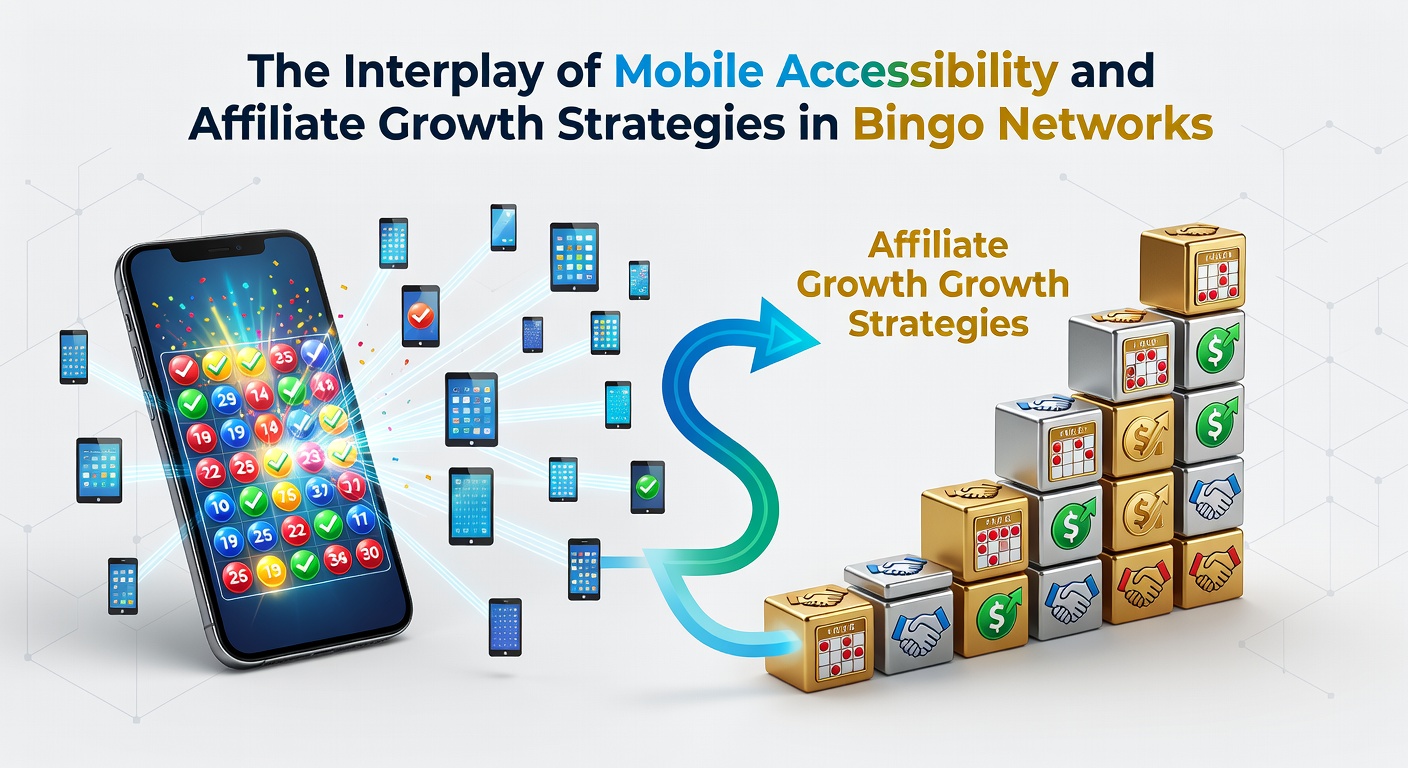
Mobile accessibility shapes participation patterns across bingo networks as players increasingly rely on smartphones and tablets for sessions that fit into daily routines. Data from industry monitoring shows that mobile devices account for over 70 percent of bingo traffic in many established networks, prompting operators to prioritize responsive designs and app-based features that reduce loading times while supporting screen readers and adjustable text sizes. Affiliates integrate these improvements into their promotional channels because accessible platforms convert more effectively when users encounter fewer technical barriers during sign-up and gameplay.
How Mobile Features Drive Network Expansion
Researchers tracking user behavior note that bingo networks with optimized mobile interfaces experience higher retention rates, since features like one-tap deposits and push notifications keep players engaged without requiring constant desktop access. Observers point out that accessibility standards, such as those outlined in guidelines from the World Wide Web Consortium, encourage developers to include voice commands and high-contrast modes that open networks to broader audiences including older demographics and players with visual impairments. Affiliates capitalize on this reach by creating content that highlights these capabilities, often through tutorials and comparison articles distributed via mobile-optimized blogs and social feeds.
Affiliate Tactics That Align with Accessibility Trends
Affiliate marketers adapt their growth strategies to mobile realities by focusing on short-form video reviews and instant-play links that function seamlessly on smaller screens. Figures from recent network performance reports reveal that campaigns emphasizing mobile-exclusive bonuses generate more clicks than desktop-only promotions, because users encounter fewer friction points when transitioning directly from an affiliate post to a game lobby. Those who study affiliate performance data find that geo-targeted messaging works particularly well on mobile, allowing promoters to reference local events or time-sensitive jackpots that appear in real time through app notifications.
Networks that maintain consistent accessibility across devices enable affiliates to build trust through reliable referral experiences. Take one case where a regional bingo platform introduced gesture-based navigation in its mobile app; affiliates promoting that network reported a measurable uptick in referred traffic because players could join rooms without navigating complex menus. Such developments align affiliate content strategies with the technical realities of how people actually access bingo today.
Regulatory and Technical Shifts Emerging in 2026
As of May 2026, several jurisdictions have begun enforcing updated digital accessibility requirements for online gaming platforms, which directly influences how bingo networks structure their affiliate partnerships. Reports compiled by organizations including the European Gaming and Betting Association indicate that compliance with these rules correlates with stronger organic growth through affiliate channels, since accessible sites rank higher in mobile search results and attract sustained referrals. Industry analysts observe that affiliates who incorporate accessibility credentials into their marketing materials often secure preferred placement from network operators seeking to meet compliance benchmarks.
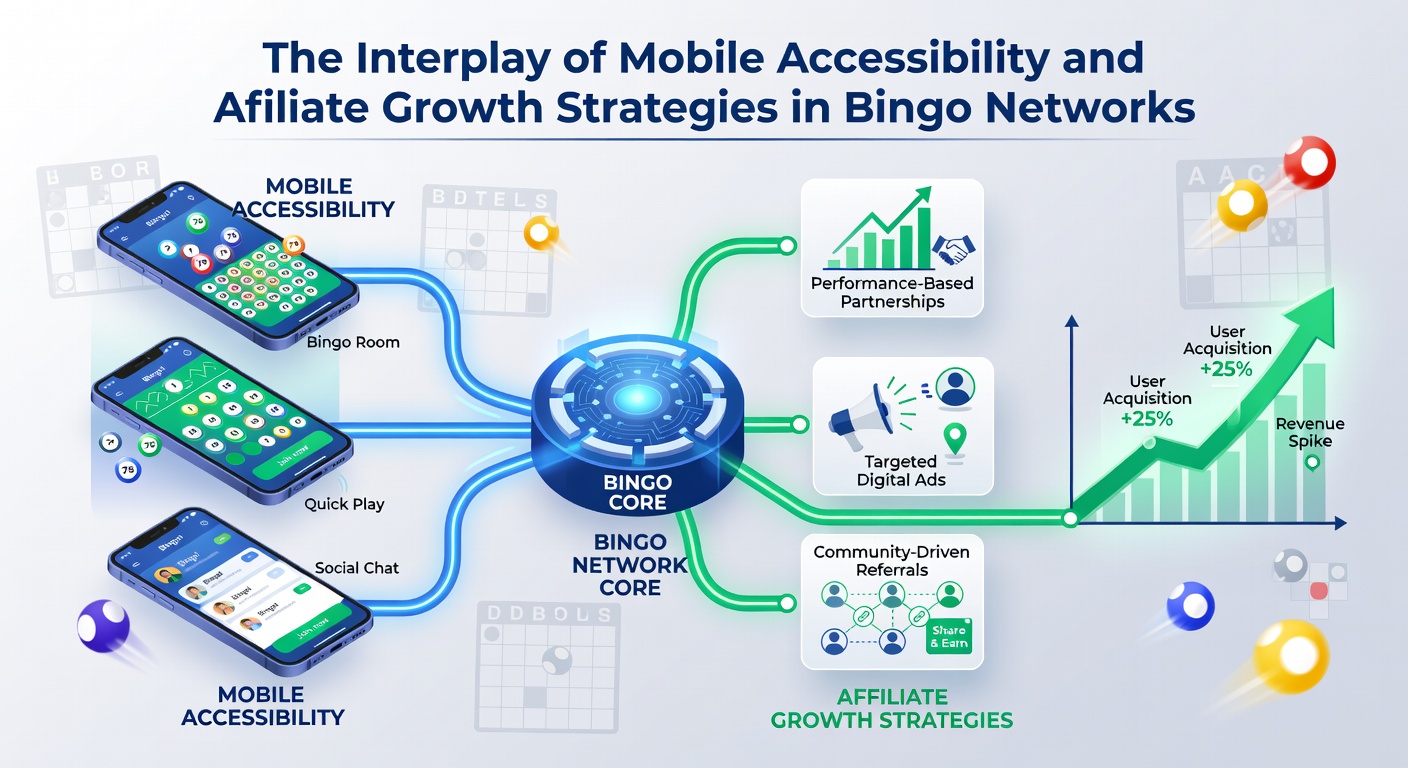
Technical integrations such as progressive web apps further blur the line between mobile accessibility and affiliate effectiveness. These apps deliver near-native performance through browsers, allowing affiliates to embed tracking links that function identically on iOS and Android without forcing separate app store downloads. Evidence from platform analytics demonstrates that networks adopting progressive web technology see improved conversion from affiliate-driven visits, particularly when those visits originate from social media or messaging apps accessed primarily on phones.
Measuring the Combined Impact on Network Growth
Performance metrics compiled across multiple bingo networks illustrate the compounding effect when mobile accessibility improvements coincide with refined affiliate tactics. Click-through rates rise when promotional materials load quickly on mobile connections, while conversion improves when landing pages maintain the same accessibility features found in the core platform. A study referenced by the Australasian Gaming Council highlights that networks investing in both areas simultaneously achieve faster scaling of their player bases compared with those addressing only one factor at a time.
Partnership models have evolved accordingly, with affiliates receiving performance bonuses tied to mobile-specific key performance indicators such as session duration on handheld devices. This structure encourages promoters to test and refine campaigns that account for varying screen sizes and connection speeds encountered by end users in different regions.
Conclusion
The connection between mobile accessibility and affiliate growth in bingo networks continues to strengthen as both technical standards and marketing approaches adapt to user habits. Networks that embed accessibility into their core offerings create environments where affiliate strategies achieve greater reach and conversion without additional friction. Ongoing developments through 2026 and beyond suggest that alignment between these elements will remain central to expansion plans across the sector.