Tracing Data Pathways from Initial User Registration Through Payout Verification in Bingo Platforms
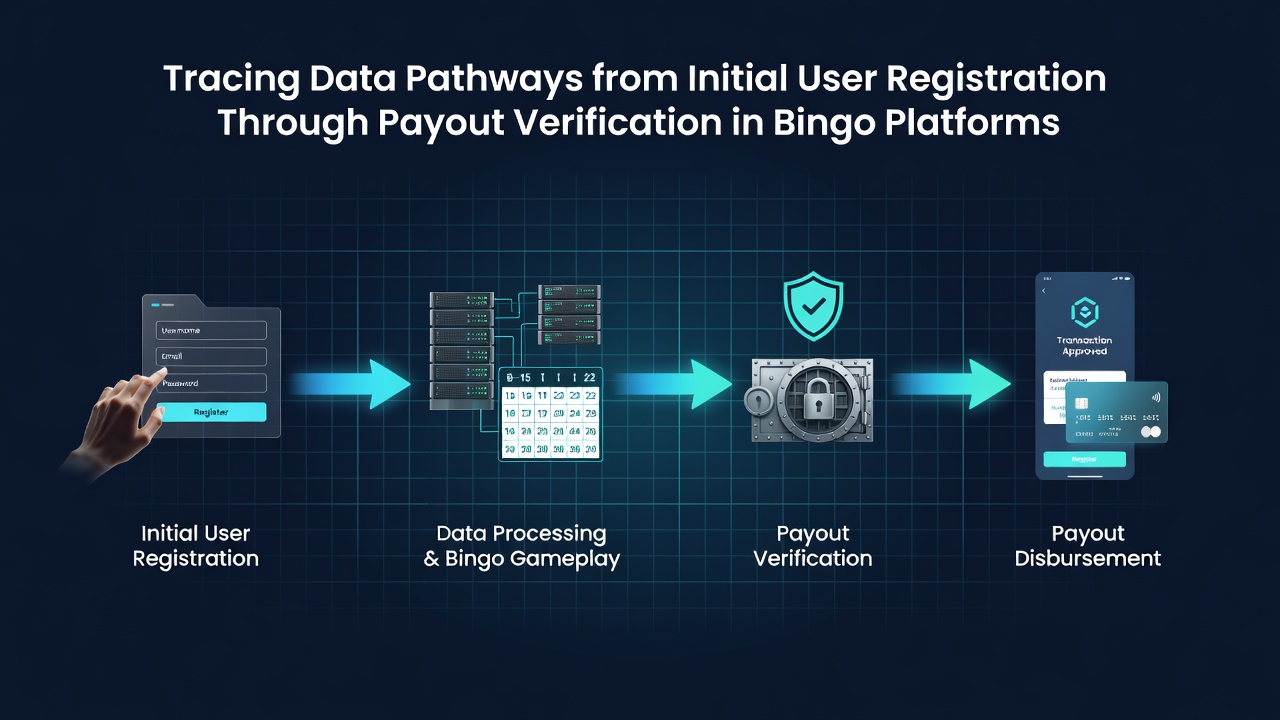
Digital bingo operations rely on interconnected data systems that capture information at every stage from the moment a player creates an account until funds reach a verified payout destination and observers note these pathways often involve multiple encrypted layers that handle personal details, game activity logs, and financial transactions while maintaining compliance across jurisdictions.
Initial Registration and Data Capture
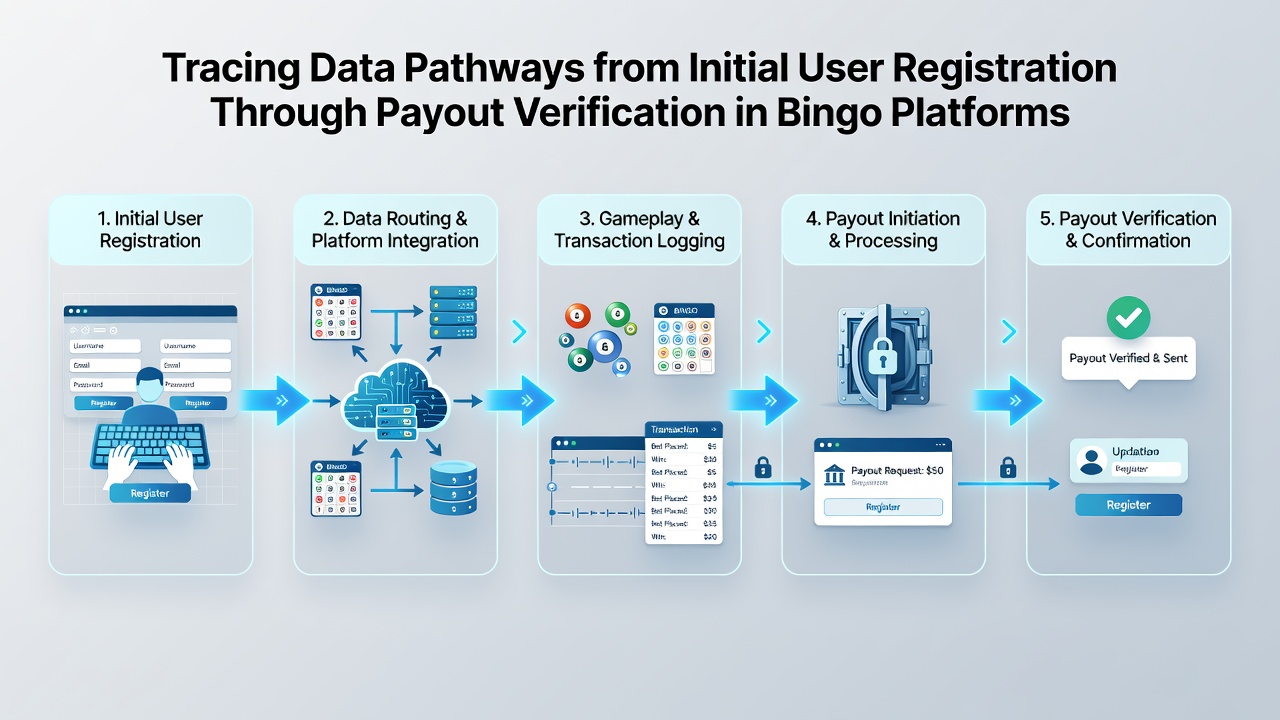
Players begin by submitting core identifiers such as email addresses, dates of birth, and residential details through secure web forms or mobile interfaces and platforms immediately route this information into centralized databases that apply validation rules to check for duplicates or incomplete entries before assigning unique user IDs that serve as anchors for all subsequent activity. Research from the New Jersey Division of Gaming Enforcement shows that registration modules typically integrate with third-party identity services to cross-reference submitted data against public records and this initial step establishes the foundation for later verification processes without interrupting the user experience.
Account Verification and Security Layers
Once registration completes, systems trigger automated checks that request supporting documents including government-issued IDs and proof of address while data pipelines encrypt and store these files in segregated repositories accessible only through audited access controls. Experts observe that many platforms employ multi-factor authentication protocols at this stage and they connect registration records directly to ongoing monitoring tools that flag suspicious patterns such as multiple accounts sharing IP addresses or device fingerprints and these connections help prevent fraud before any gameplay begins.
Gameplay Data Tracking and Integration
Active sessions generate continuous streams of gameplay metrics including bet amounts, win/loss ratios, and session durations that flow into real-time analytics engines while user IDs link these records to loyalty profiles and bonus eligibility calculations and this integration allows platforms to adjust promotional offers dynamically based on verified activity histories. Data shows that modular architectures separate these tracking functions from core game engines to improve scalability yet maintain traceability across every transaction and observers note this separation becomes especially useful during peak periods when thousands of concurrent players generate high volumes of log entries.
Payout Request Initiation
When players request withdrawals, the system first queries accumulated balances against verified account statuses and then routes requests through approval queues that incorporate risk-scoring algorithms drawing from registration data, gameplay patterns, and external watchlists while these checks run in parallel to reduce processing delays and maintain accuracy across different payment methods including bank transfers and e-wallets.
Verification and Compliance Checks
Final payout verification pulls together threads from initial registration through all intermediate activity logs to confirm identity consistency and regulatory adherence before funds move and platforms often reference guidelines from bodies such as the Malta Gaming Authority to ensure these steps align with international standards on anti-money laundering and responsible gaming and researchers at institutions studying digital gaming networks have documented how these verification loops reduce error rates by connecting disparate data points into unified audit trails.
Conclusion
The complete pathway from registration through payout verification forms a continuous chain where each segment feeds into the next through secure, logged connections that support both operational efficiency and regulatory oversight and industry reports indicate continued investment in these integrated systems helps platforms handle growing user bases while meeting evolving compliance requirements across multiple regions.