Uncovering Ties Between Secure Transaction Layers and Loyalty Tracking Systems Within Bingo Software Frameworks
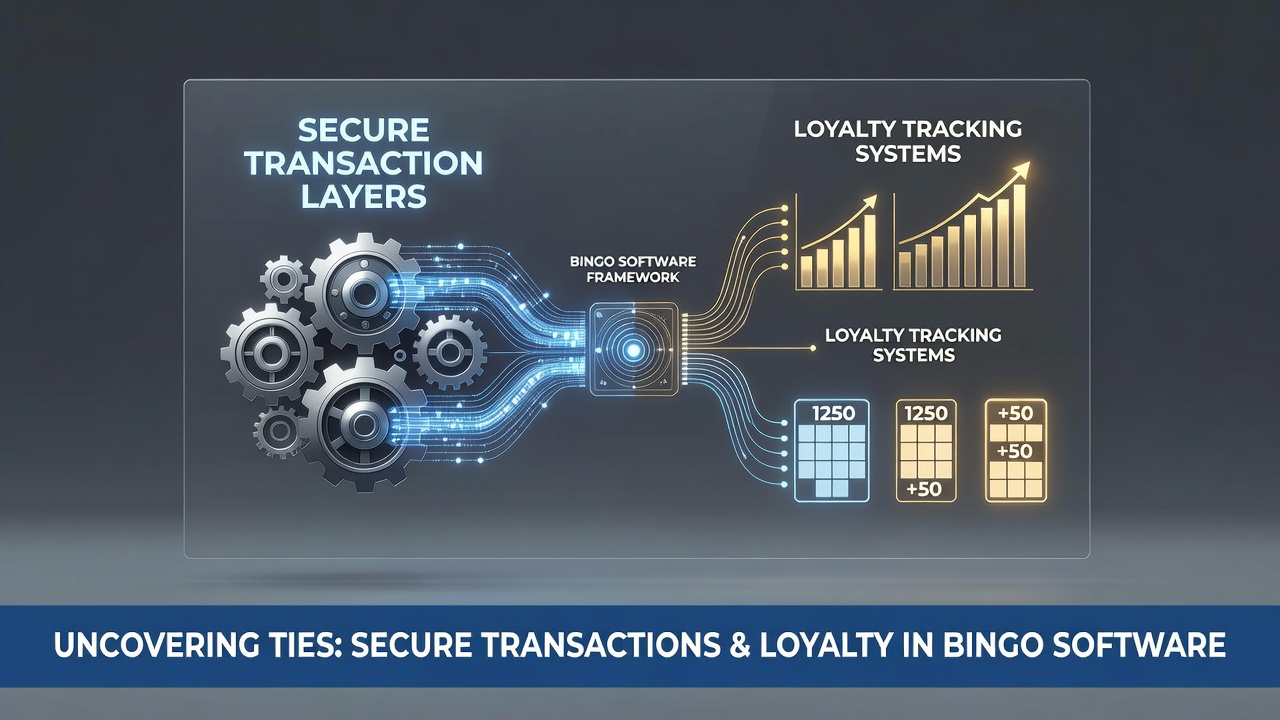
Secure transaction layers in bingo software frameworks handle encrypted payment processing, fraud detection protocols, and compliance logging while loyalty tracking systems record player activity, award points, and manage reward redemptions across multiple game sessions. These components connect through shared data pipelines that allow transaction verification data to inform loyalty calculations without exposing sensitive financial details to the rewards engine.
Core Components of Secure Transaction Layers
Bingo platforms rely on multi-tiered security architectures that encrypt card details and bank transfers at the point of entry, then route validated funds through isolated ledgers before any loyalty attribution occurs. Developers integrate tokenization methods that replace actual account numbers with unique identifiers, which means loyalty systems receive only confirmation codes and amount values rather than raw payment information. Industry reports from regulatory bodies in Canada show that such separation reduces breach risks while still permitting real-time point accrual based on wager volumes.
How Loyalty Tracking Systems Operate
Loyalty modules track metrics including session duration, number of cards purchased, and bonus triggers, then convert those actions into tiered rewards such as free games or merchandise credits. Software frameworks use event listeners that capture gameplay data independently of the payment gateway, yet they pull transaction timestamps to validate that points correspond to completed and approved deposits. This design keeps personal financial records segregated while allowing accurate reward distribution.
Integration Points Between the Two Systems
Application programming interfaces serve as the primary bridge, passing anonymized transaction success signals to loyalty databases that then trigger point updates or bonus unlocks. In June 2026 several platform providers plan to roll out enhanced API versions that include additional checksum verifications, ensuring that any loyalty adjustment matches a verified payment record before the system finalizes the reward. Data from European gaming technology studies indicates these synchronized checks cut down on duplicate point awards and improve audit trails for both financial and loyalty records.
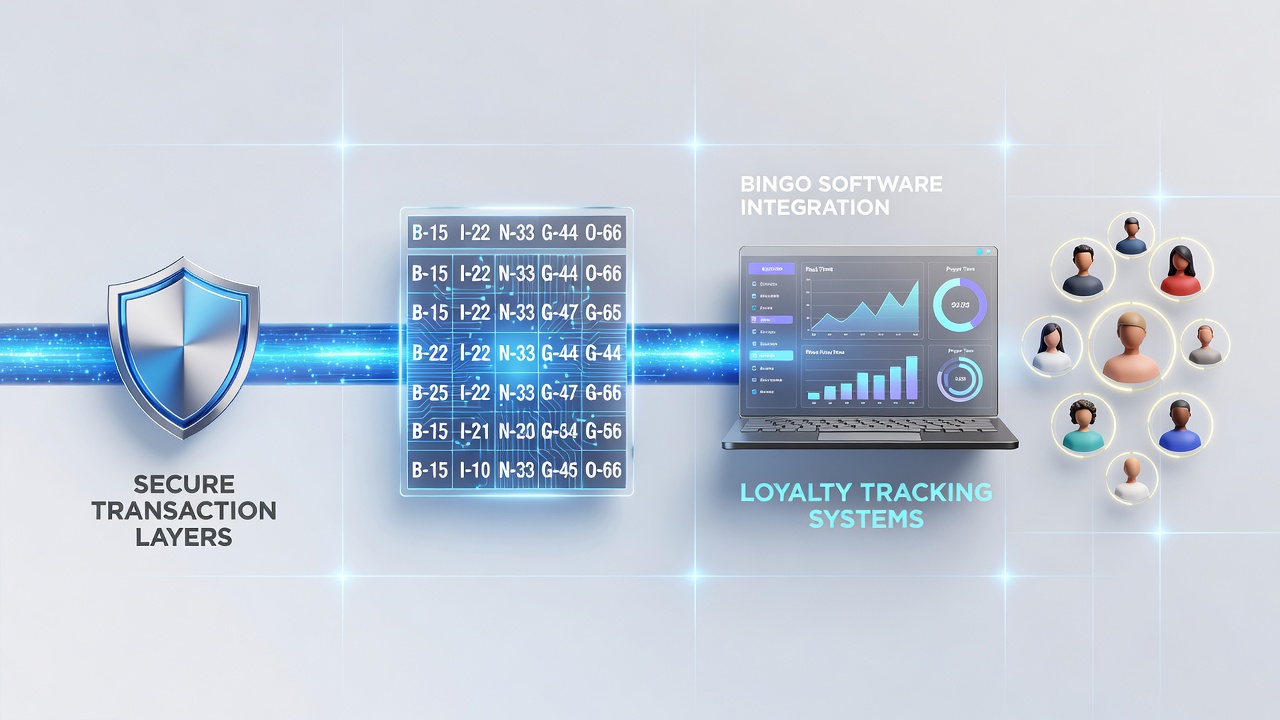
Modular design patterns further strengthen these ties by allowing operators to swap payment processors or loyalty vendors without rebuilding the entire framework. Each module communicates through standardized schemas that define fields for transaction status, player identifier hashes, and reward eligibility flags. Observers note that this approach supports scalability when networks expand to new jurisdictions, because compliance rules for payments and rewards can be updated independently yet remain synchronized through the shared interface layer.
Compliance and Data Flow Considerations
Regulatory frameworks in multiple regions require that transaction logs remain accessible for audits while loyalty histories stay protected under privacy statutes. Bingo software therefore implements role-based access controls that grant financial reviewers read-only views of payment confirmations, whereas marketing teams access aggregated loyalty metrics stripped of identifiable transaction details. Research conducted by university-affiliated gaming labs in Australia demonstrates that these controls maintain operational efficiency while satisfying reporting obligations across different oversight bodies.
Real-time synchronization occurs through message queues that queue loyalty updates only after transaction layers return successful authorization tokens. If a payment fails or faces reversal, the system automatically withholds or deducts corresponding points, preventing discrepancies that could surface during reconciliation processes. Platform documentation from North American developers outlines how these reversal mechanisms integrate with existing fraud scoring engines, creating a feedback loop that refines both security thresholds and reward qualification criteria.
Technical Implementation Examples
One documented architecture employs a microservices layout where the payment service container manages SSL handshakes and PCI-compliant storage, while a separate loyalty service container queries a read-replica database that contains only hashed player IDs and point balances. Event-driven triggers fire when a payment service publishes a completion event, prompting the loyalty service to apply multipliers or tier adjustments without ever receiving the original payment credentials. Such separation aligns with broader trends in secure software engineering that prioritize minimal data exposure between functional modules.
Additional safeguards include end-to-end encryption for any loyalty adjustment messages that travel across networks and regular penetration testing focused on the API endpoints that connect the two layers. Figures from industry association surveys reveal rising adoption of these practices among bingo operators seeking to meet evolving standards in both payment security and consumer protection.
Conclusion
Secure transaction layers and loyalty tracking systems within bingo software frameworks intersect through carefully designed interfaces that balance financial integrity with player engagement features. Continued refinements scheduled through 2026 focus on strengthening these connections via improved verification protocols and modular updates that preserve separation while enabling accurate reward delivery. Operators who align these elements effectively can maintain compliance across jurisdictions while supporting seamless player experiences.