Unpacking Synergies Among Support Structures and Compliance Tools in Mobile Gaming Platforms
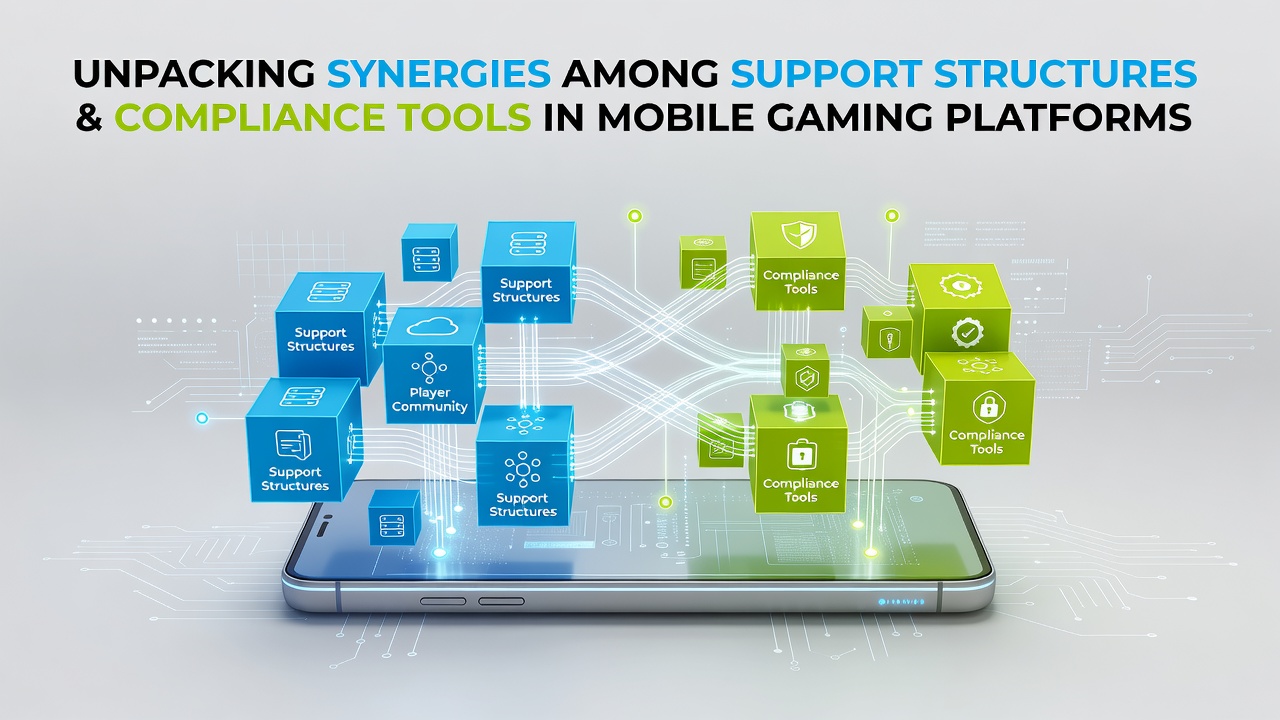
Mobile gaming platforms rely on interconnected systems where support structures work alongside compliance tools to maintain operational stability, and these connections have grown more pronounced as operators expand across multiple jurisdictions. Support structures typically encompass player assistance channels, dispute resolution mechanisms, and community moderation teams, while compliance tools cover identity verification, transaction monitoring, and regulatory reporting modules. Observers note that when these areas align effectively, platforms can process player inquiries faster without compromising on audit requirements, and data from industry reports indicates measurable reductions in processing delays during peak activity periods.
Key Components Driving Platform Operations
Support structures in mobile gaming often integrate chat systems, ticket management software, and escalation protocols that connect directly to backend databases, allowing teams to access player histories while adhering to data protection rules. Compliance tools meanwhile incorporate automated checks for age restrictions, geographic limitations, and suspicious activity patterns, and these functions frequently share data pipelines with support interfaces to flag issues in real time. Researchers have documented cases where unified dashboards enable support agents to resolve queries involving account restrictions without transferring users to separate compliance departments, and this coordination reduces average resolution times according to metrics shared by platform operators in North America and Europe.
Integration Patterns Emerging in 2026
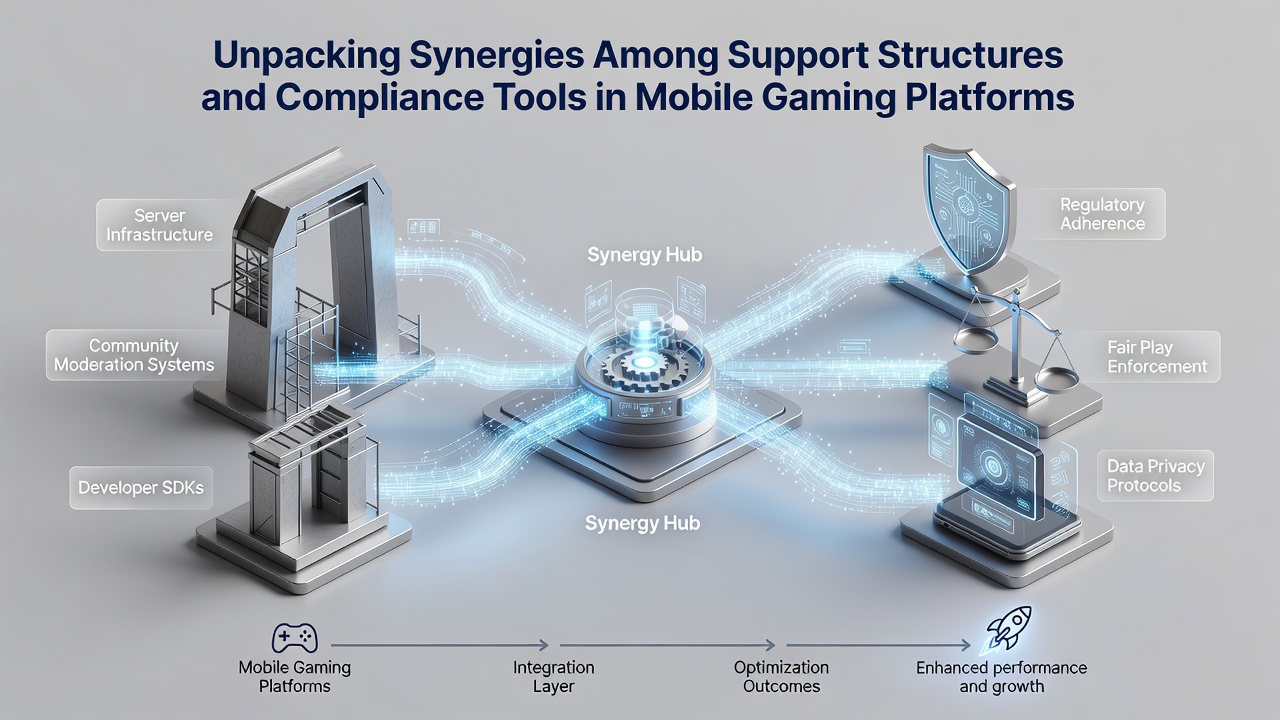
Platform developers have increasingly adopted modular architectures that permit support and compliance modules to exchange information through secure APIs, and this approach supports updates ahead of regulatory shifts scheduled for July 2026 in several regions. When a player requests assistance with a frozen account, for instance, the support interface can pull compliance status data instantly, which helps agents provide accurate guidance while maintaining audit trails. Studies from academic sources highlight that such linkages also assist with loyalty program management, as compliance-verified accounts can receive targeted assistance without manual cross-checks, and evidence from deployment logs shows consistent performance improvements in high-volume environments.
Regional Approaches to System Alignment
Different markets demonstrate varied methods for linking these systems, with operators in Australia often emphasizing real-time reporting ties between support logs and financial oversight tools. In contrast, platforms serving Canadian provinces have focused on embedding compliance alerts within player communication channels, and figures from regulatory summaries reveal that these setups correlate with fewer reported incidents during seasonal traffic spikes. Those who manage large-scale networks point out that shared data environments also support fraud detection by allowing support teams to note behavioral anomalies that compliance algorithms can then investigate further, and this bidirectional flow strengthens overall platform resilience without requiring separate data silos.
Practical Outcomes from Combined Workflows
Operators who have implemented these synergies report streamlined handling of payment disputes, where support staff can reference compliance-verified transaction records directly, and this reduces the need for repeated player contacts. Data shared by research institutions shows corresponding gains in operational efficiency, particularly when automated compliance flags trigger proactive support outreach rather than reactive measures. What's interesting here is how these connections scale across device types, since mobile-specific constraints like limited screen space demand concise interfaces that still convey necessary compliance details to users when required.
Industry associations have tracked adoption rates of integrated platforms, noting that systems combining support and compliance elements tend to handle regulatory queries more efficiently during routine inspections. One documented example involves a European operator that linked its moderation tools with transaction monitoring, resulting in faster identification of policy violations while support teams maintained continuous player engagement. Such patterns suggest broader applicability as mobile gaming continues expanding into new territories with evolving requirements.
Conclusion
The connections between support structures and compliance tools continue to shape how mobile gaming platforms operate under increasing regulatory scrutiny, and the patterns observed through 2026 indicate ongoing refinement of these linkages. Platforms that prioritize shared data flows and coordinated workflows position themselves to meet both player needs and oversight demands simultaneously, while evidence from multiple regions supports the value of these integrated approaches in sustaining long-term functionality.